Article
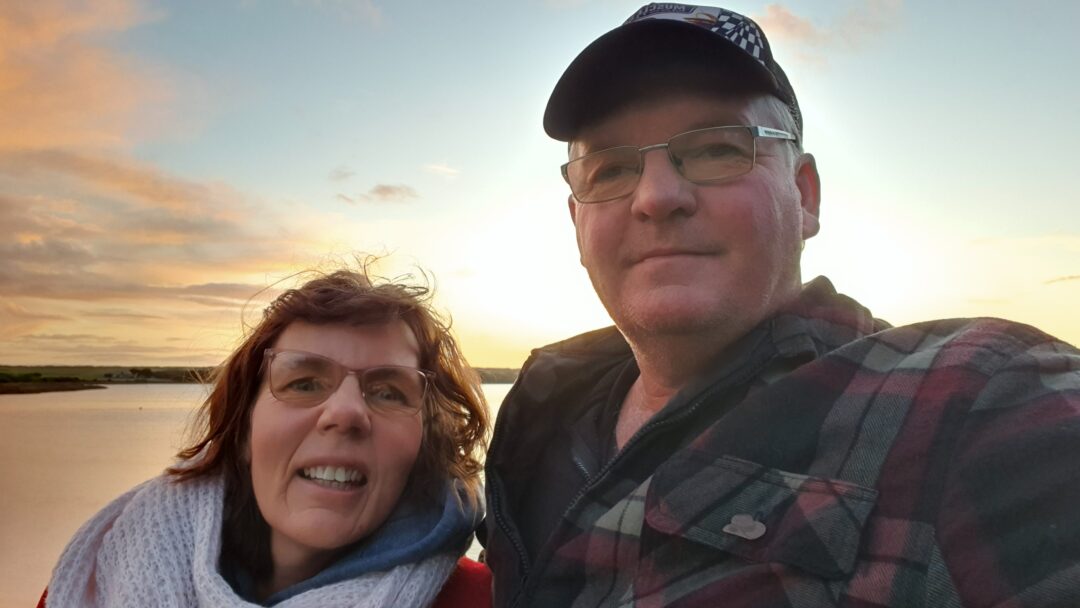
September is Dystonia Awareness Month, but when Wendy Powell first began
experiencing symptoms of the neurological movement disorder, she didn’t
even know it existed.
“I had not heard of the condition before diagnosis,” Wendy said.
Her experience highlights why advocates are working to increase
understanding of dystonia, a neurological movement disorder that causes
involuntary muscle contractions, which can lead to repetitive movements,
experiencing symptoms of the neurological movement disorder, she didn’t
even know it existed.
“I had not heard of the condition before diagnosis,” Wendy said.
Her experience highlights why advocates are working to increase
understanding of dystonia, a neurological movement disorder that causes
involuntary muscle contractions, which can lead to repetitive movements,
tremors and painful muscle spasms.
Wendy’s symptoms began in 2020 while she was working full-time in early
childhood education and care. During the COVID-19 pandemic, she noticed
an urge to stretch her jaw while wearing a mask and later began
experiencing difficulty speaking.
When the changes persisted, Wendy’s husband became concerned she may
have experienced a stroke and encouraged her to visit her GP.
An urgent referral to a neurologist eventually led to a diagnosis of
jaw-opening oromandibular dystonia.
For Wendy, what began in her jaw progressively spread to other areas of
her body. Her diagnosis is now Complex Progressive Adult-Onset
Generalised Dystonia, with symptoms affecting her face, neck and limbs.
There is currently no cure for dystonia, although treatments including
medication, botulinum toxin injections and surgery can help manage
symptoms.
Looking back, Wendy remembers initially believing treatment would allow
her life to continue largely as it had before.
Wendy’s symptoms began in 2020 while she was working full-time in early
childhood education and care. During the COVID-19 pandemic, she noticed
an urge to stretch her jaw while wearing a mask and later began
experiencing difficulty speaking.
When the changes persisted, Wendy’s husband became concerned she may
have experienced a stroke and encouraged her to visit her GP.
An urgent referral to a neurologist eventually led to a diagnosis of
jaw-opening oromandibular dystonia.
For Wendy, what began in her jaw progressively spread to other areas of
her body. Her diagnosis is now Complex Progressive Adult-Onset
Generalised Dystonia, with symptoms affecting her face, neck and limbs.
There is currently no cure for dystonia, although treatments including
medication, botulinum toxin injections and surgery can help manage
symptoms.
Looking back, Wendy remembers initially believing treatment would allow
her life to continue largely as it had before.
I chuckle at how naive I was, truly believing that with Botox in my body, sure I would require regular ‘top ups’, but thought my life would just continue along its familiar way.
Wendy Powell
Instead, her symptoms continued to progress. She experienced
overwhelming fatigue and eventually took extended leave from work before
resigning from the career she loved in 2022.
Finding Dystonia Network of Australia became an important source of
information and connection as Wendy navigated a condition, she had
previously known nothing about.
This Dystonia Awareness Month, the organisation is working to change
that lack of knowledge. Throughout September it is sharing
overwhelming fatigue and eventually took extended leave from work before
resigning from the career she loved in 2022.
Finding Dystonia Network of Australia became an important source of
information and connection as Wendy navigated a condition, she had
previously known nothing about.
This Dystonia Awareness Month, the organisation is working to change
that lack of knowledge. Throughout September it is sharing
information, distributing resources to neurologists and encouraging
conversations about the condition.
On September 18, landmarks across every Australian state and territory
will also be illuminated blue to raise awareness.
For Wendy, greater awareness means helping others recognise and
understand a condition that entered her life without warning — and
changed it profoundly.
conversations about the condition.
On September 18, landmarks across every Australian state and territory
will also be illuminated blue to raise awareness.
For Wendy, greater awareness means helping others recognise and
understand a condition that entered her life without warning — and
changed it profoundly.