Article
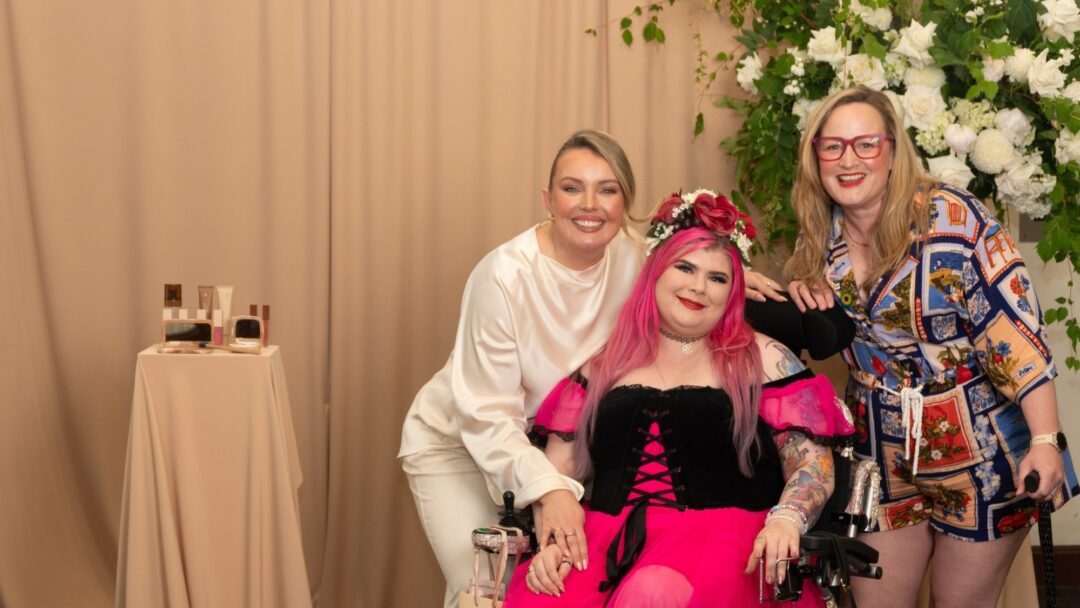
You might not expect someone who’s disabled and chronically ill to be into beauty. But I’ve found . . . so many of us are. And yet, it’s an industry that wasn’t really made for us.
I love skincare. I love makeup. I love looking after myself, however I can. And when you live with chronic pain—and so much can go wrong with your body (and life)—having small things you can control is exceptionally powerful: especially when those small things can also make you feel good.
And I’m not just talking about aesthetics here—although that’s an added bonus, too.
I’m talking about the therapeutic benefits of beauty: and how it feels to look after yourself.
Of course, I can’t always do my skincare and haircare. Some days, I can barely exist and feed myself, let alone worrying about cleansing, moisturising, and serums. But when I can, I think there is something so powerful about doing nice things for yourself. And also: makeup is super fun. I genuinely love painting my face with colours and sparkles. I like trying new products, and experimenting with how they work.
Pain and fatigue have taken so much of my life away, so it feels nice to have something I can control, and something that feels empowering: even if I can only do it sometimes.
Makeup can feel like armor. It can make me feel stronger, bolder and more confident. Which is why I think accessible beauty is so important—especially because it’s not a space non-disabled people expect us to be in, which, quite frankly, blows my mind.
Storm Menzies, founder of Storm Beauty, is on a mission to make the industry more accessible. She’s been in a lot of rooms with a lot of brands who haven’t ever really given disability or accessibility a thought before: and she’s trying to change that.
I want to make accessibility as simple as possible. I created an attachment for makeup to make it easier to hold. It universally attaches to anything round and cylindrical, adding more surface area to a product for better grip.
Storm Menzies
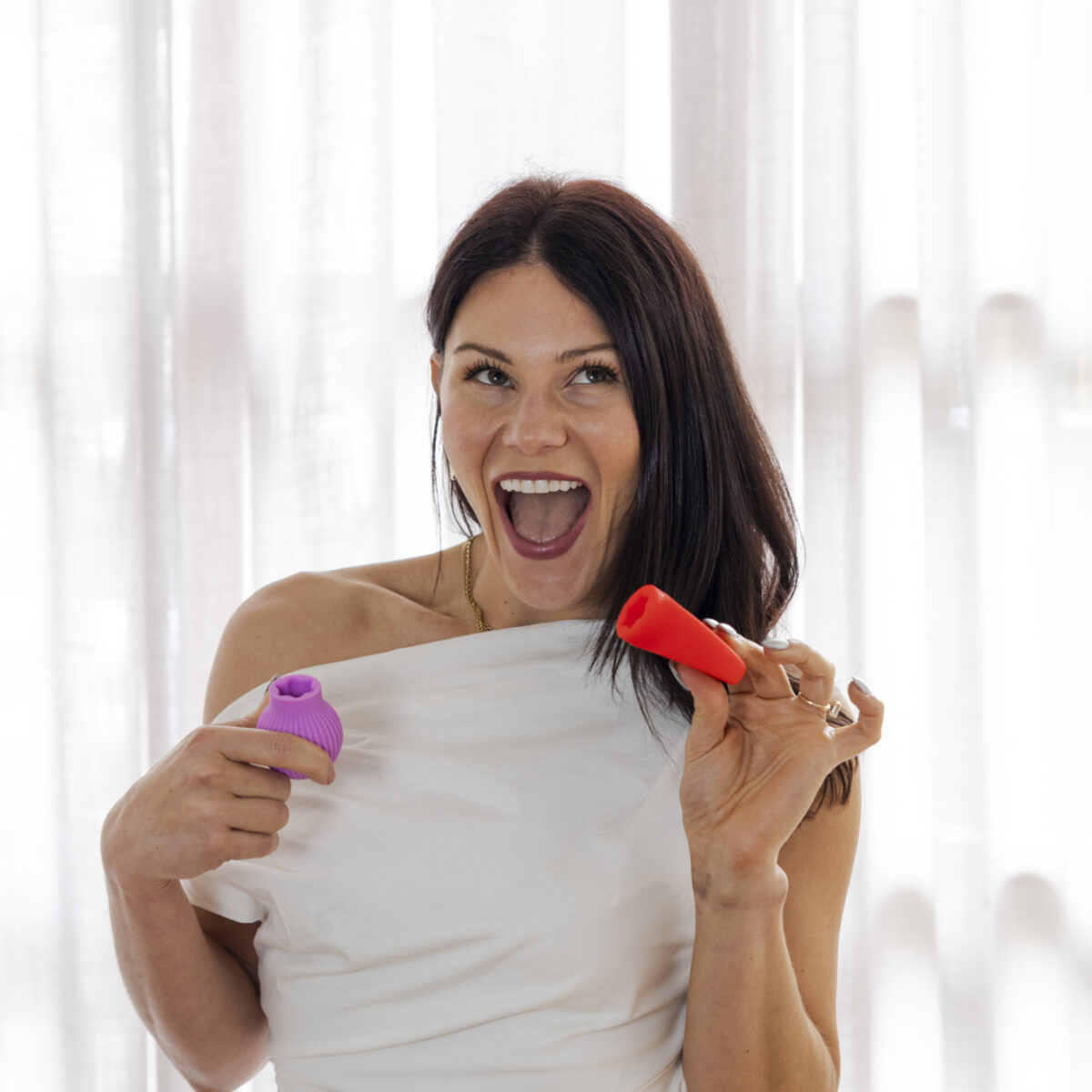
Storm lives with cerebal palsy. But it wasn’t until she broke her hand that she realised how inaccessible the industry is for so many people.
“I broke my hand and suddenly couldn’t open a tube of mascara,” she said.
“I remember it vividly. My hand was in a cast, and I didn’t think anything of it. But then I couldn’t open the zipper to my bag, and went to pick up my mascara and thought: okay, how am I going to do this? I couldn’t even put it in my mouth to twist it.”
“I thought: that’s fine, I’ll just buy some accessible makeup. I Googled, and nothing came up, aside from a US company that didn’t ship to Australia. I called my friend who also lives with cerebral palsy and asked how she did her makeup—because she always looks gorgeous, and I’d never thought about it.”
“She responded: umm, with great difficulty. Storm, makeup isn’t made for people like me, and why wouldn’t it be? No one thinks of us as beautiful.”
That one sentence spurred Storm on to do something about it.
“For the first time, I realised how entrenched ableism is. It’s way bigger than being able to open a mascara.”
Storm took action, originally thinking of creating an accessible makeup brand. But in doing extensive research, surveys and community focus groups, she found most surveyed didn’t want accessible makeup: they wanted to use the makeup everyone else could. So, Storm bought a 3D printer and got to work designing various tools and shapes, testing prototypes out with the community. After two years, her products were born.
“We have two different shapes—a ball and a flat paddle shape. It means people can use what makeup brands they love—the ones their friends are using or are going viral.”
I don’t compete with beauty brands, and that means I get to collaborate with a lot of brands who want to be inclusive, but they’re scared of getting it wrong. As a collaborator, brands don’t have to change anything, and disabled people can use their products.
Storm Menzies
Hilary Holme, founder of Holme Beauty is also passionate about accessible beauty.
“If 20% of our community is disabled, why am I not thinking about them?” Hilary said.
From website accessibility and in-person event accessibility, to using braille, and creating ergonomic designs, Hilary believes in trying to do better.
“We’re never going to do it perfectly, but I’m a big believer that we keep showing up in this space and keep trying.”
“It isn’t easy, it requires a lot of extra time and development, but of course I’m going to do it. I want to show you can make accessibility beautiful, and that’s really important to me. I want people to feel seen and heard . . . and create a moment for you in your makeup bag that feels really beautiful.”
I want to go above and beyond, and do more than just hit the marks—I want to actually showcase it’s something that’s important for us. I think the more I do it, the more I’m obsessed with it.
Hilary Holme
I mean, same!
I am a huge fan of both Hilary and Storm—both who are creating change, in different areas and ways. Community and allyship are so powerful. And for me, it feels genuine. Like recently when I attended a beauty masterclass with Holme Beauty, and they paid so much attention to accessibility, and ensuring that was communicated. Access was a priority, and I wasn’t made to feel like a burden for it, as I so often am.
It makes me excited that more people and brands are getting into this space—as they should. Because—shock—disabled people are people.
I am grateful to those in the industry who are shaking things up—and I’m grateful to brands that listen. Like Celeste Barber new beauty brand BOOIE Beauty, who collaborated with Storm on accessibility features. It’s so good to see.
And it’s so good we’re having this conversation.
Let’s hope it continues to spark change.