Article
Every five years, the Australian Bureau of Statistics (ABS) counts every person and household in Australia through the Census of Population and Housing.
The information collected supports governments and communities plan for transport, schools, healthcare, infrastructure and local services. For people with disability, Census data can also help identify where services and opportunities are needed.
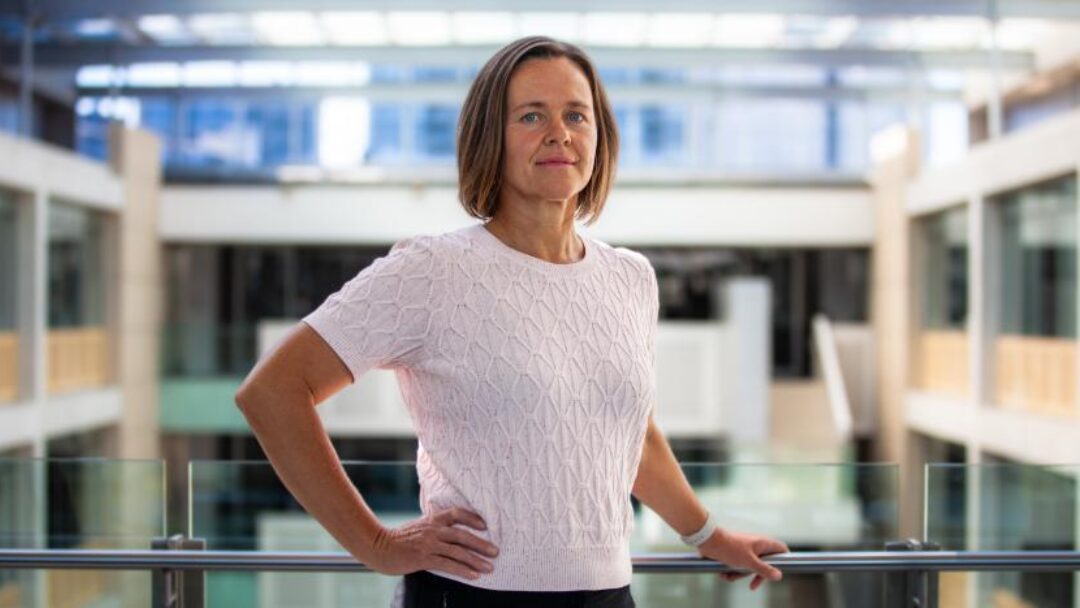
Emily Walter, the ABS national spokesperson for the 2026 Census, says being included is about more than simply completing a form.
“The thing about the Census is it is about everybody,” Walter says. “It’s in a lot of ways; I see it as a real piece of our democracy.”
Everyone has the chance and needs to respond to the Census in the way that represents them.
Emily Walter, ABS national spokesperson for 2026 Census
Making the Census accessible
The ABS says it has worked with people with disability and organisations across the disability sector to make the 2026 Census more accessible.
The online Census form and website are designed to work with assistive technologies, including screen readers, screen magnification, keyboard navigation, speech recognition and voice controls. They support technologies including JAWS, VoiceOver, TalkBack and Dragon NaturallySpeaking.
There is also online support which can provide Census questions and responses using voice.
For people who are Deaf or hard of hearing, Auslan video guides are available alongside Census questions, as well as captioned videos and transcripts.
People who are blind or have low vision can request Census forms in large print or Braille, including Grade 1 and Grade 2 Braille. Audio resources are also available.
An Easy Read fact sheet uses simple language and images to explain what people need to do and where to get help.
And if the online form isn't accessible for you, there are other options.
You can request a paper form, ask a trusted friend, family member or carer to help, or contact the Census team.
There are also pop-up hubs providing in-person assistance, which can be located through the Census website.
Walter says consultation with people with disability has been an important part of developing these measures.
“We’ve been working with stakeholders across the disability sector and organisations within it, including people living with a disability,” she says.
“Their feedback has been really part of the whole design of what we’ve achieved in this Census.”
Why being counted matters
Walter points to AFL Barwon as an example of how Census information can lead to practical changes.
The organisation used Census data to understand where people with disability lived and their ages. That information helped support the development of an all-abilities football and netball league in Geelong, meaning young people no longer had to travel to Melbourne to access a competition.
“It’s been hugely beneficial for the families and for those people to be able to access something so close,” Walter says.
The ABS is already planning for the next Census, with Walter describing accessibility as an ongoing conversation.
“We realise that this is a point in time, this Census, and we’ve made it as accessible as possible,” she says. “But it’s a continuing conversation.”
Census night is Tuesday 11 August 2026. If you need support, you can find information about accessibility, support, paper forms and local pop-up hubs through the ABS Census website.