Article
NDIS eligibility changes spark concerns over shift in how disability is assessed under proposed reforms.
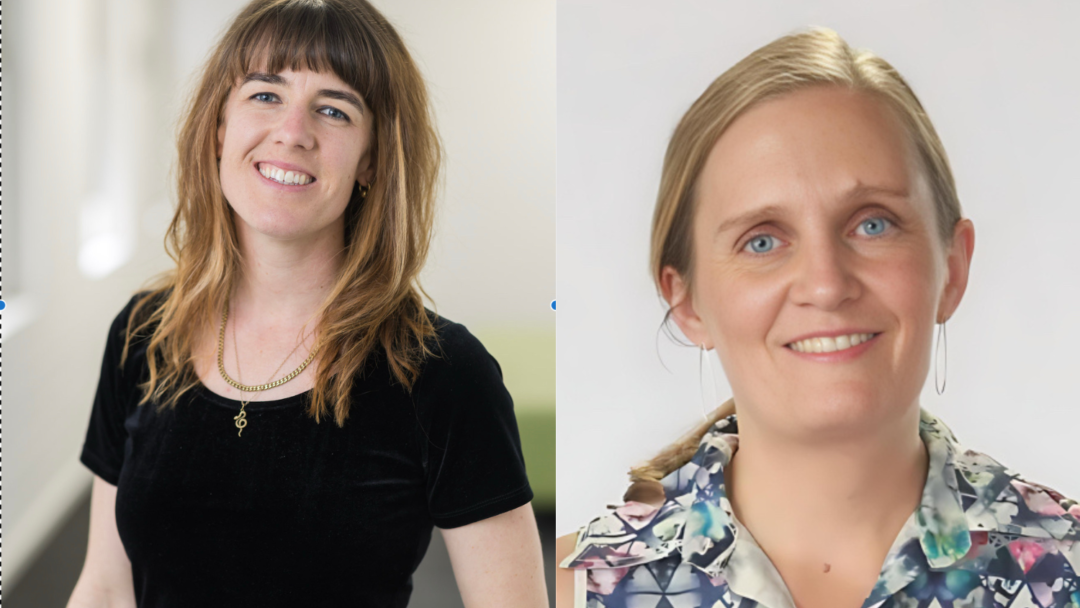
As the much debated NDIS reforms propose the tightening of participant eligibility by employing a more restrictive model of functional capacity assessments, concern is being raised by one expert who argues against the changes, claiming the move is driven by significant funding pressures.
University of New South Wales Political Sociologist, Dr Georgia Van Toorn, specialises in international social policy, politics, disablement, and social justice. She criticises the changes to the ways of assessing applicants, particularly for those with fluctuating conditions, describing how the Government’s vision of three hour assessment meetings as "snapshots" provides a "narrow picture of the way someone's life is impacted."
"We know that this is part of the government's... intentions to cut 160,000 people from the NDIS and save about $38 billion by 2030,” Dr Van Toorn claims.
She explains the difficulty for people with psychosocial disabilities in particular. "If they're assessed on a good day, the picture that's captured there is one of high function…rather than their actual nuanced and variable experience."
A major shift in the NDIS legislation is the first-ever definition of functional capacity, which the academic argues removes the overall functionality of an individual's life.
The new definition is "around the essentially a person's ability to carry out an activity without help from others, without help from assistive technology or home modifications."
The assessment process is now intended to happen "without reference to the person's environment and personal circumstances,” Dr Van Toorn says, shifting away from the needs-based approach the disability community has long advocated for.
Freya Wolf is a person with low vision. She says that her disability affects her daily life in multiple ways.
“It’s hard to move through public spaces. I can’t easily see obstacles and people around me, especially at night. I use a white cane and have been assessed as being suitable for a guide dog,” Ms Wolf says.
Despite assessments from a mobility specialist and an OT recommending the assistance animal, she says the NDIS decided against allocating funding for this aspect of her disability. She also can’t read print or identify people. “I also use a screen reader. It’s pretty new to me, so I’m quite limited in what I can do with technology. I am in need of training to use assistive technology, but again the NDIS hasn’t funded this despite several reports recommending these supports,” she claims.
Under the new legislation, a disability is only permanent if treatment is unlikely to materially improve, reverse, or alleviate the impact of the impairment.
Applicants must try all treatment "commonly available in Australia, regardless of, whether they can afford them or the actual availability of those treatments where they live.”
“There’s a risk people won’t receive essential services while they wait or undergo treatment.”
Dr Van Toorn argues this "very flawed change" introduces "significant disadvantages" for those living in rural areas or below the poverty line.
She further stresses that the move away from a holistic view of disability to focus on a single diagnosis sets the rights of the disability community back decades.
“For so many years we've been trying to move towards a better understanding of disability in a more holistic way. As something that arises out of multiple physical, mental health, and other social conditions…One thing I find quite problematic in this legislation…is a shift back to recognising someone as being disabled by one primary condition.”
Ms Wolf feels the proposed changes fails to capture the reality of people with disability.
“I’m concerned this…is a major step backwards, away from inclusion, safety, and the human rights of people with disability in this country.”