Article
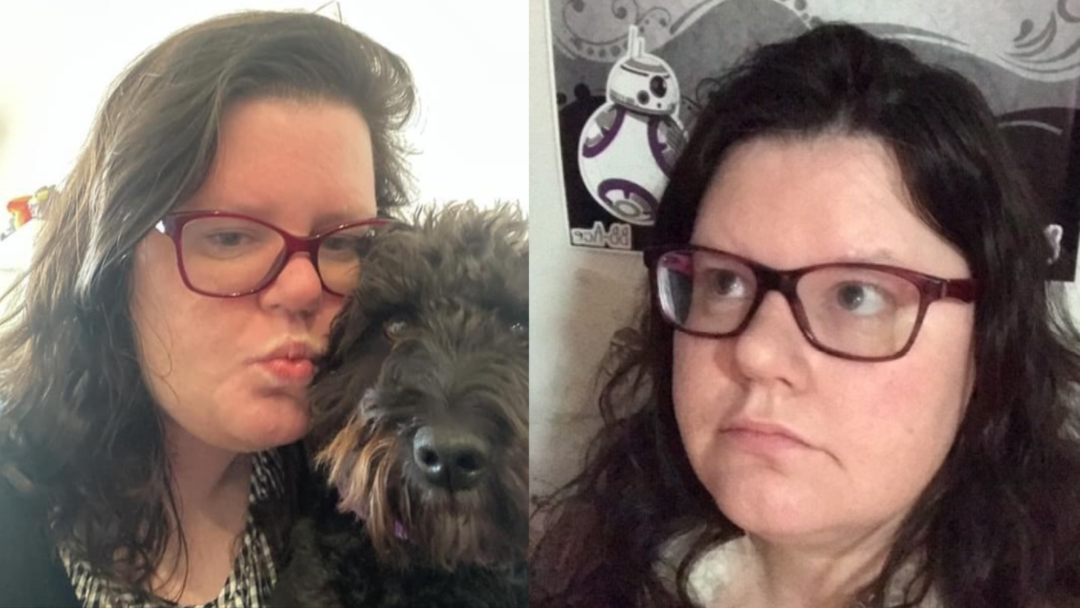
As a woman with complex mental illness, I was cautiously pleased to hear NDIS Minister Mark Butler announced last week that “adults living with severe and chronic mental illness” will be the second cohort of focus for the Foundational Supports program. Foundational Supports is designed to target those who are not eligible for NDIS funding, but who still require support due to their disability. The first phase is “Thriving Kids”, which serves children under 8 with developmental delay and/or autism, with low to moderate support needs.
I am glad to see the Government showing a concern for my community.
I recently spent four weeks as a psychiatric inpatient, and much conversation between patients was about the NDIS and our difficulties in accessing it. The majority of patients, despite being unwell enough to require repeat hospitalisations, many requiring carers, often unemployed and with complex care needs, had been denied NDIS access. I have complex-Post Traumatic Stress Disorder, treatment resistant depression (meaning medication is ineffective), three different forms of anxiety and Functional Neurological Disorder. Simplified to the extreme, FND is a condition where I exhibit many symptoms of neurological damage, such as seizures, memory problems, and loss of motor function – but the cause is psychological – a result of trauma.
I have been rejected for the NDIS three times.
My concern is that the NDIS does not understand mental illness. When applying you are asked to pick the “most impactful” illness. We are told to stop after three.
Unfortunately, the world doesn’t just give you only three illnesses and stop.
An NDIS application also requires you to identify which diagnosis causes which symptoms, something that is impossible with complex mental illness. Many comorbid conditions – such as complex-PTSD and Borderline Personality Disorder, have similar or the same symptoms. Illnesses exacerbate each other – maybe I could get out of bed if I was depressed, or if I were severely anxious. But both together? I cannot.
If the new Foundational Supports program is to work then it must be built on a fundamental rethink of the way the NDIA understands what mental illnesses are, how these conditions are experienced by real people, and how multiple diagnoses interact with one another.
Those creating the program need to have the training in mental illness, and to work with interest groups to make sure the program is fit for purpose.
Simply moving people that are not properly understood from Box A to Box B, where they will be handled by different people who still don’t understand their needs will be of little help.