News

Advocates, lawyers form united front as public hearings for NDIS Bill begin.

Emma Myers

Jun 8, 2026

There has been much public outcry concerning the Senate committee inquiry into the National Disability Insurance Scheme Amendment (Securing the NDIS for Future Generations) Bill 2026, following significant dismissal of concerns from the disability community over the proposed changes.
 
More than 4000 submissions were lodged with the inquiry, with many individuals and organisations raising concerns about how the reforms could affect access to disability supports. Only a select few hundred have been made available to the public.
 
Women With Disabilities Australia (WWDA) will tell a Senate inquiry tomorrow that the Government’s NDIS Reform Bill could make existing inequalities in the Scheme worse, with women making up half of disabled Australians but only around a third of NDIS participants. 
 
The advocacy organisation says the national debate has focused heavily on NDIS savings and who may lose support, but not enough on who is already being left out, and who will be expected to fill the gaps if supports are reduced. 
 
Women with Disabilities Australia, CEO Sophie Cusworth, says women, girls and gender-diverse people with disability are already facing barriers in the NDIS. 

Women are already under-represented in the NDIS. They already face barriers proving eligibility and getting access. This Bill risks making those inequalities worse.

Sophie Cusworth CEO Of Disabilities Australia

The WWDA CEO is also due to give evidence at the Senate inquiry into the National Disability Insurance Scheme Amendment (Securing the NDIS for Future Generations) Bill 2026 — one week before the Committee is due to report.  

Sophie Cusworth CEO Of Disabilities Australia

This Bill would give Government broad powers to tighten access, reduce supports, cap funding and shift people away from the Scheme before new safeguards have been designed,

Sophie Cusworth CEO Of Disabilities Australia
The warning comes as newly released government modelling reveals more than 241,000 existing NDIS participants are expected to be pushed off the scheme within four years of new eligibility rules commencing, with almost 350,000 fewer people projected to be on the NDIS by 2031 than previously forecast, according to People with Disability Australia (PWDA).
 
PWDA claims the reforms risk recreating exactly the kind of isolation and segregation the NDIS was designed to prevent.

The NDIS was supposed to move Australia away from segregation, institutionalisation and congregate models of care

Megan Spindler-Smith Acting CEO Of PWDA
In the statement, community legal sector organisations have criticised the Federal Government’s process surrounding the bill. They call on the Federal Government to delay implementation of changes until genuine consultation has occurred, and alternative supports can be resourced and rolled out.
 
CEO of Queensland Advocacy for Inclusion, Matilda Alexander, claims the Federal Government has invested a lot of time and resources in extensive consultation with the disability community in recent years, only to disregard recommendations made.

The Disability Royal Commission heard from about 10,000 people, many of whom shared experiences, aspirations and ideas, as well as traumatic stories, with the hope of a better future for the disability community

Matilda Alexander CEO of Queensland Advocacy
“In c ontrast, it is not clear who the Federal Government has listened to in creating the new NDIS Bill or what evidence, including an economic analysis, supports the proposed changes.”
 
PWDA stresses the deepest concerns across the disability community is that Parliament is being asked to pass sweeping reforms before replacement systems and safeguards exist.

People are being told there will be foundational supports and more inclusive communities in the future. But right now, those systems do not exist, and we have no idea what they will deliver, where they’ll be available and who will be able to access them

Megan Spindler-Smith Acting CEO Of PWDA
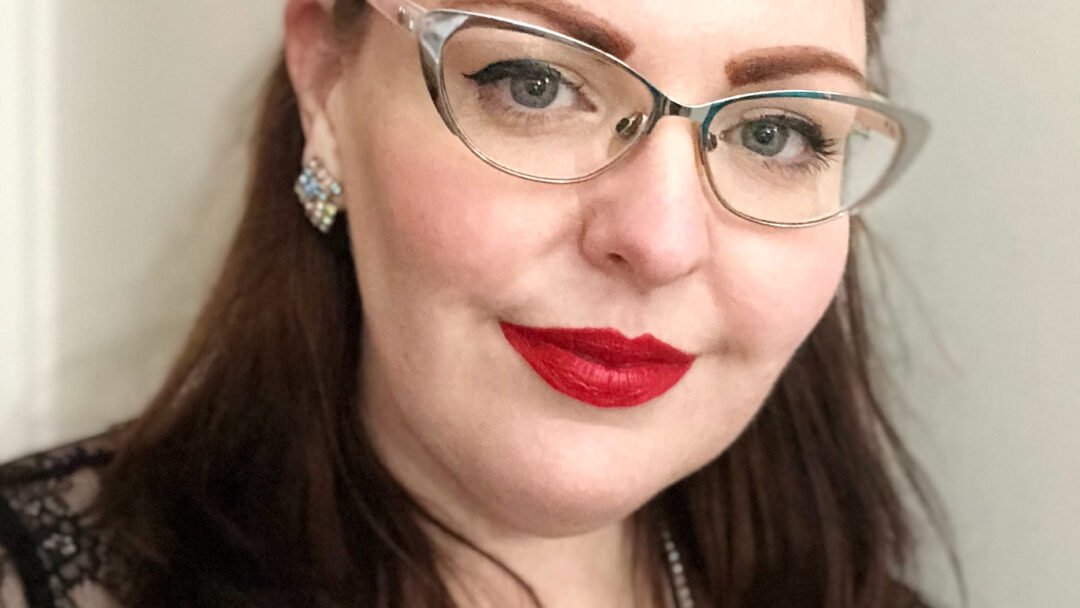
“You cannot cut supports first and hope options will be available later.”
 
Meanwhile, Women with Disabilities Australia is warning the Bill could create a “pay-to-prove” barrier, where people are expected to show they have tried all available treatment before they can access disability support.  
 
Ms Cusworth argues that there is still no clear answer for people who cannot afford to self-fund treatment before seeking NDIS support. 

No one has answered the basic question: what happens when people cannot afford to exhaust every treatment option?

Sophie Cusworth CEO Of Disabilities Australia
“The logic seems to be that people should come back only after need has increased or health and wellbeing has deteriorated, which is not fair and is not good policy,” Ms Cusworth claims.  
 
It comes just days after Greens Senator Jordon Steele-John accused the government of misrepresenting the target of its cuts in Friday’s Senate estimates, which NDIS Minister Jenny McAllister repeatedly rejected.
 
However, the Treasury modelling which was tabled in the Senate last week, shows the highly debated fraud and pricing measures only account for $0.9 billion of the $38.1 billion proposed savings over the next four years. The remaining $37.2 billion is expected to come from changes to participant plans, tightened eligibility, and the reduction of overall support packages.
 
The Australian Human Rights Commission has expressed significant concern over the legislation, calling the changes "ableist" and warning that the proposed changes will place a stronger emphasis on financial cost-cutting than on the rights and needs of people with disability.
 
Three days of public hearings are scheduled for this week, beginning today in Melbourne, and finishing with two days of hearings in Canberra on Wednesday 10 and Thursday 11 June. The Senate inquiry is due to report on 16 June.  
 
Powerd will continue to follow developments and provide updates as the story unfolds.