News
Many Australians who rely on the National Disability Insurance Scheme (NDIS) could now have their NDIS plans computer-generated, with human involvement in assessment decision making set to be dramatically reduced, according to an exclusive report by the Guardian Australia.
“Funding and support plans…will be generated by a computer program and staff will have no discretion to amend them, under a major overhaul of the NDIS to be rolled out next year,” the Guardian publication reads.
Representatives from more than 10 disability advocacy organisations have released a joint statement calling for transparency on computer generated NDIS plans.
People cannot meaningfully challenge a decision if they cannot see or understand how it was made. When this opacity is combined with weaker review rights, participants face the real risk of being unable to contest flawed assumptions.
DRO Statement
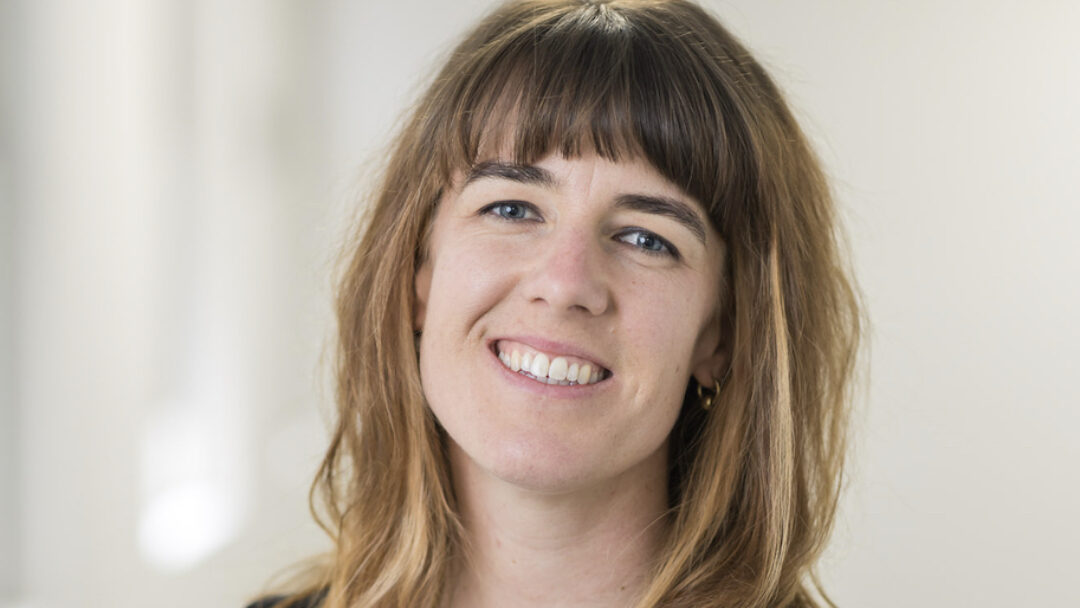
Powerd Media spoke with University of New South Wales Social Science Senior Lecturer, Dr Georgia Van Toorn, who says she’s concerned about what the changes will mean for NDIS participants.
When the results of that assessment tool are used as the basis of automated calculations, that can often result in budgets that are…misaligned with people's real needs.
Dr Georgia Van Toorn
The Senior Lecturer argues that people could have their budgets unjustly cut due to the new computer-generated process.
“This shift to a more automated approach is about bringing plans and bringing budgets under control…The government has been quite open about that, and part of that is removing human discretion and seeding decision making to algorithms.”
Dr Van Toorn went on to claim that the NDIS is moving towards a system where participants may provide evidence about what they need, but there's no guarantee it will be used to inform the final automated budget calculation.
It’s very concerning and really goes against the principles that the NDIS stands for…principles of personalisation and self-directed support.
Dr Georgia Van Toorn
The Senior Lecturer argues that people could have their budgets unjustly cut due to the new computer-generated process.
“This shift to a more automated approach is about bringing plans and bringing budgets under control…The government has been quite open about that, and part of that is removing human discretion and seeding decision making to algorithms.”
Dr Van Toorn went on to claim that the NDIS is moving towards a system where participants may provide evidence about what they need, but there's no guarantee it will be used to inform the final automated budget calculation.
We are going from a space where the ART has a role in ordering that additional funds be allocated to the total funding amount given [to] a participant to a model in which that is not a question before the tribunal.
Senator Jordan Steele-John
University of New South Wales Social Science Senior Lecturer, Dr Van Toorn, is urging those in charge of the NDIS need to rethink its assessment process, suggesting the solution lies in engaging with the disability community and their close knowledge of the issues within the NDIS.
It's [NDIS] trying to achieve increased autonomy, choice and control, and to place the power of support and decision making back in the hands of people with disability. And I think right now…it risks real lack of trust in the disability community in terms of trust in the NDIS and its ability to achieve its goals
Dr Georgia Van Toorn
Powerd Media will keep you updated as this story unfolds.