News
For many in the disability community, extreme heat is more than just an inconvenience - it is a critical health and accessibility crisis, but an upcoming symposium focusing on the intersection of disability and extreme heat is tipped to lead the search for solutions.
From the rising cost of energy for essential cooling to the lack of accessible, heat-safe public transport, current systems are failing to protect the one in six Australians living with disability.
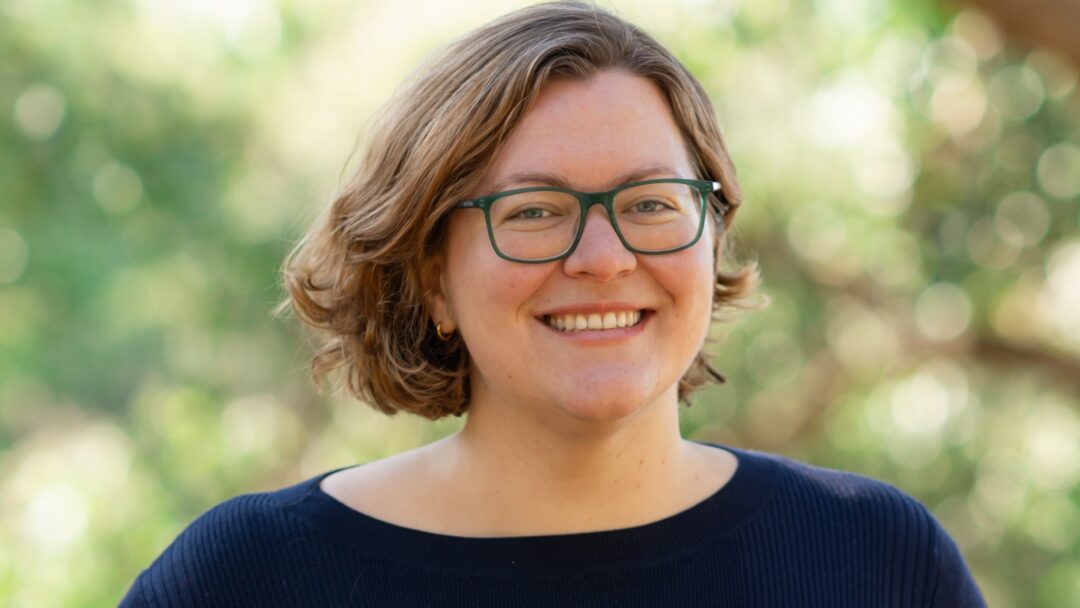
Powerd Media spoke with Emma Bacon, founder of Sweltering Cities, the national community voice for heat safety and climate resilience in Australia. She explains how there are significant pitfalls in national adaptation planning when it comes to the specific needs of the disability community.
"People with disabilities are often spoke about as a vulnerable group, but with very little understanding or very little proactive solutions", Ms Bacon claims.
"People with disabilities are often spoke about as a vulnerable group, but with very little understanding or very little proactive solutions", Ms Bacon claims.
There's a real gap in not only thinking about the issues of disability, but also listening to people with disability who are really the best experts on what's needed.
Emma Bacon
In response to rising temperatures and the risks posed to the disability community, Sweltering Cities is hosting the Heat and Disability Symposium, an online event on 26th of May in collaboration with national disability advocate Elle Gibbs and academics from the University of Technology Sydney (UTS). It is free and open to the public, aiming to bring together a diverse group of speakers and attendees to discuss the intersection of extreme heat and disability.
In the 2026 Sweltering Cities Summer Survey, 87% of people with disabilities felt unwell during recent heatwaves.
As a survivor of the 2003 Canberra Bushfires, Eav Brennan - who has Joint Hypermobility Syndrome and PTSD- understands how difficult it can be to manage additional health challenges, arguing that factors such as marginalisation can heighten the risk of not having support.
There's a lot of talk about vulnerability, but disabled people are incredibly adaptive, strong and resilient. We have skills that…are incredibly useful in the challenge of climate adaptation.
Eav Brennan
Last September, the Federal Government announced plans to implement Australia’s first National Climate Risk Assessment and National Adaptation Plan in an effort to combat the growing threat of climate change.
“Australia’s first National Climate Risk Assessment and our National Adaptation Plan are a roadmap to address the unavoidable impacts of climate change, to build a more resilient country for all communities, regions and industries,” Climate Change and Energy Minister Chris Bowen claims.
The National Adaptation Plan outlines the need for disaster preparedness, risk management plans and public emergency responses to be inclusive for people with disability, as stated in Australia’s Disability Strategy 2021–2031.
However, Ms Bacon argues there are significant gaps in the National Adaptation Plan, which fails to adequately address the climate risks faced by the disability community.
“Unfortunately, the government doesn't recognise heat waves in the same way as they do floods, fires and storms, and so it means people are being forced out... and putting their health at risk,” the Sweltering Cities CEO says. “All of the investment we make in adaptation and resilience now will pay for itself in avoided loss, damage, impacts, health crises, poverty.”
Ms Bacon advocates for a collaborative future where heat adaptation is seen as everyone's responsibility.
One of the most important things we can do is really amplify those on-the-ground stories of what it actually feels like to be impacted by heat.
Emma Bacon