News
Employees from diverse backgrounds working in Australian media organisations are being invited to take part in a nationwide research project, sharing their experiences working in the news media landscape.
The project, What does ‘doing diversity’ do, and how can it be done differently?, a study currently being undertaken by researchers from the University of Sydney, Macquarie University, Griffith University and the University of Canberra, aims to study the state of Australia’s news media’s diversity problem.
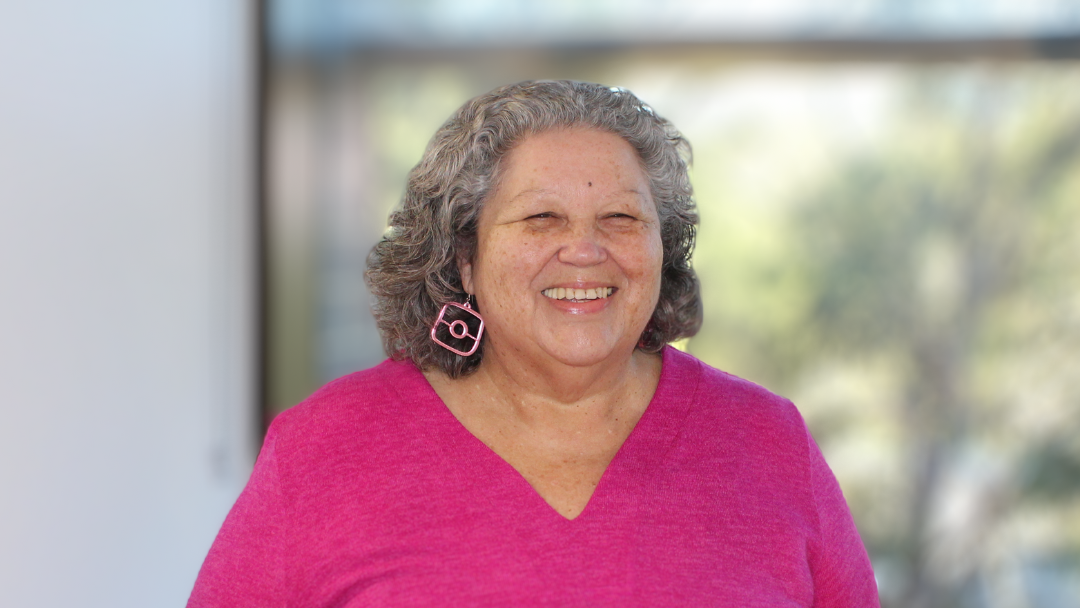
Researchers are developing the first detailed, Australia-wide study of how news media organisations respond to criticism of the makeup of their workforce, according to Professor of Critical Indigenous Studies at Macquarie University, Dr Bronwyn Carlson.
We're very interested in speaking to diverse media workers, so that could be from administration to management through to journalists. We've found that there's a lot of harm that is caused to people who work in news media workplaces.
Bronwyn Carlson
Researchers are seeking participants who are over the age of 18 years and who identify as First Nations, culturally and racially marginalised workers, LGBTIQA+ and workers with disability.
Associate professor in the News and Media Research Centre at the University of Canberra, David Nolan, explains the project is looking at the kind of activity that's taking place within the news media organisations themselves rather than news stories being covered.
Diversity in theory is about the accommodation of differences in workplaces, but we see it across a whole range of policies, discourses, and languages that are being used in different roles and programs. Our interest is looking at how those things are defined, and the degree to which they address how people can be better included or potentially, can cause can further harm.
David Nolan
Dr Carlson says the involvement includes a one-hour conversation and participants remain anonymous. After the interview stage, the data will be collated into a report and distributed to academic publications, as well as openly accessible to people in news media workplaces.
“I think this kind of like research has a kind of flow on effect as well. Sometimes it can give some sort of nudge to these institutions to do some self-reflection,” Dr Carlson claims.
Both Dr Carlson and Mr Nolan hope the findings will allow employers to inform a set of strategies to their practices and make news media organisations safer workplaces.
“We're hoping it makes a real change across the political and policy landscape as well as drawing attention to the actual reality and experiences of people who are often under researched or not given the attention required,” Dr Carlson says.