News
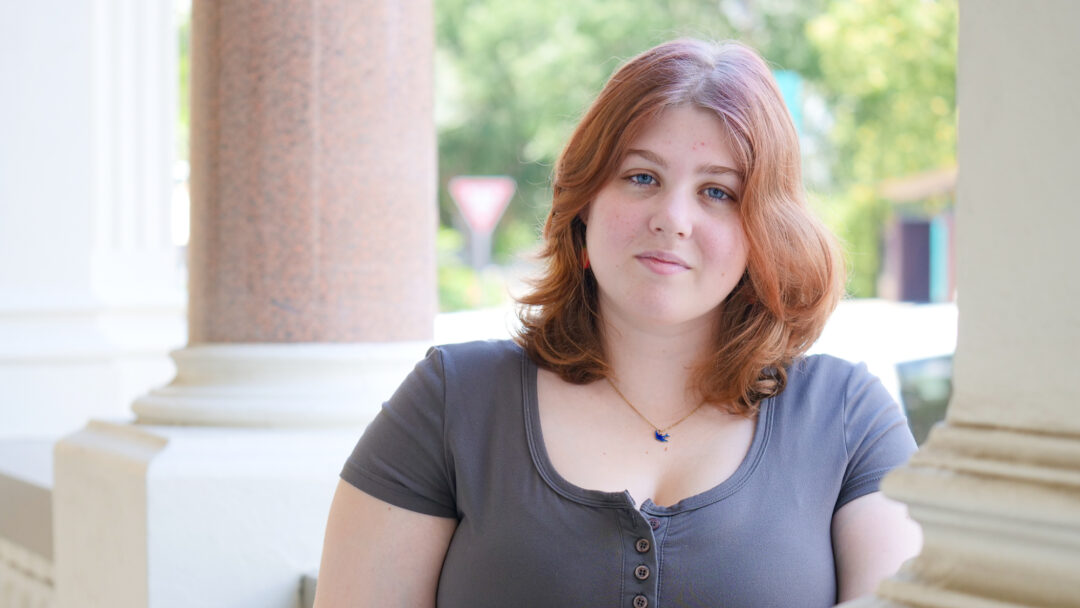
Image courtesy of ABC.
Many young Australians visited Canberra this week as part of the annual ABC Heywire Regional Youth Summit, a three-day event which brings together youth from all corners of the country to speak about the issues of living and working in regional and rural Australia.
As part of the program, Heywire includes a storytelling competition which involves submitting a script for a three-minute radio story about what life is like for young people who live outside the country’s major cities.
Powerd sat down with one of this year’s winners to discuss the experiences young people with disability face in regional and remote areas.
North Queensland resident, Emily W recalls her fight to get diagnosed with endometriosis and adenomyosis when she was 16.
I was diagnosed as a teenage girl and told that it was anxiety or IBS. There's a massive culture of brushing off women's pain instead of actually finding the cause and treating the problem.
Emily W
The women’s health advocate says her story isn’t unique.
“It's quite untold of young women and the struggles that they face to be diagnosed…they're both actually very common conditions. Endo effects up to one in seven and adeno up to one in three women.”
Endometriosis is a common disease where tissue similar to the lining of the womb grows outside it in other parts of the body, according to Endometriosis Australia. Whereas Adenomyosis occurs when the endometrial tissue that normally lines the uterus develops into the uterine muscle wall, according to Adenomyosis Australia.
Emily explains how she entered the competition to challenge the gender bias many women face when seeking a diagnosis.
“I really wanted to enter because I wanted to be able to tell…the story of so many…and the fact that it's so hard, especially in regional Australia,” Emily says.
The high school student hopes that in sharing her story, she’ll be able to play a role in creating opportunities for more growth and ensuring better accessible healthcare for young women.
All over Australia, regional or metropolitan…there seems to be a lack of education and awareness, even with doctors who are fully aware of the condition. There's a massive bias and a massive stereotyping.
Emily W
“Ultimately, we just need more education and this attitude shift within the healthcare sector where we stop putting the burden of pain on women and back onto the health professionals to try and make a difference for the patients.”
If you would like to know more, you can find all the Heywire winners here.