News
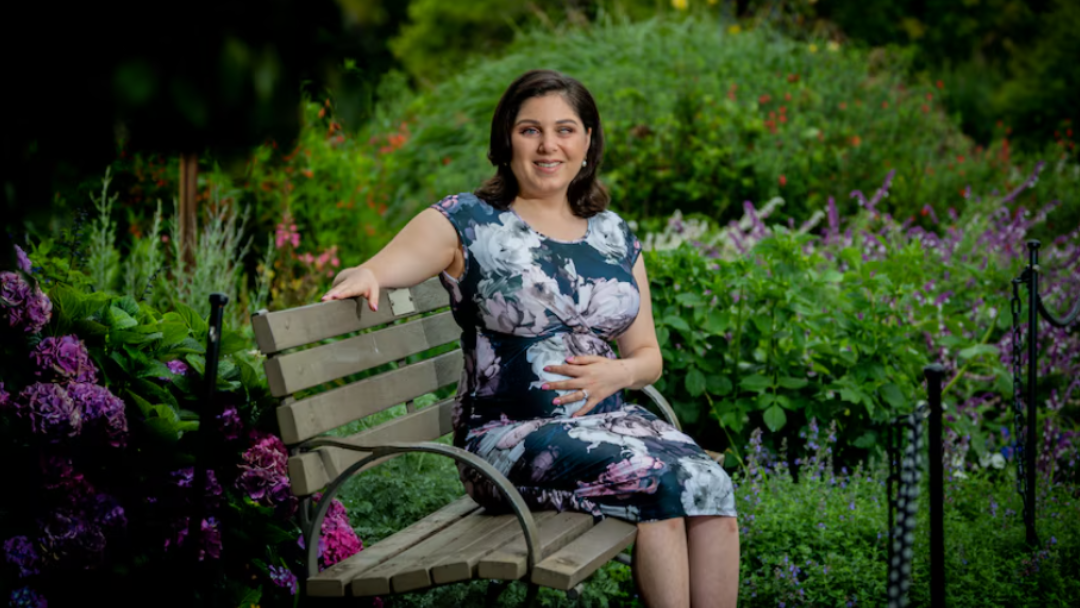
This International Women’s Day , Powerd is shining a spotlight on some remarkable women with disabilities who have made a positive impact across their chosen fields of interest.
The first trailblazer is a journalist well known to many Australians for her dedication to highlighting key issues faced by the disability community.
Nas Campanella is the ABC’s inaugural disability affairs reporter, and has worked for the national broadcaster since 2011.
Speaking with Powerd, Ms Campanella recalls being fascinated by the world from an early age.
I was always fairly curious as a kid. I loved to read, I loved radio. It was mostly radio that I was particularly interested in…I’ve got a natural kind of curiosity and skepticism about people and places, so was quite interested in journalism from that perspective
Nas Campanella
Though she says she didn't come across many challenges with studying, having completed a Bachelor of Communications at the University of Sydney, the now seasoned journalist explains how challenging she found the job market.
“I particularly chose not to disclose my disability because, in my opinion, I'd done the degree and I had four or five years of unpaid internships and a lot to show for the experience I had…It certainly didn't reflect whether I could do the job, but I found that when I went for interviews…people would realise that I had disability and their interest changed very quickly,” Ms Campanella recalls.
They would either become quite hostile or it was just very clear within the interviews that I wasn't going to get the job, so it took quite a while to get one. A lot of kind of tears and feeling hopeful and then not so hopeful, but thankfully I got the cadetship at the ABC.
Nas Campanella
Ms Campanella believes there is plenty more the employment industry can do to improve job accessibility, starting with the recruitment process.
“We need to focus on different ways…for people to put in their applications. Is it an application that needs to be written? Is it something that can be done via video? Employers need to signal…that the websites they're using are actually accessible to a range of people with disabilities.”
The disability affairs reporter argues that there should be an update to the way job interviews are conducted.
“There are a myriad of ways that we can make the actual hiring process accessible. Is it a come and actually work in the space for a week and then we'll see whether you're a prospective candidate,” Ms Campanella says.
I think we also need employers to fix their internal structures…There’s no point in having someone who works with disability within your organisation if they can't actually get in the door, if they can't apply for annual leave or they can't read their payslips, because the systems are not accessible.
Nas Campanella
Ms Campanella explains how important it is to learn from people within both professional and personal circles.
“That's how you can get a wealth of experience and knowledge behind you to keep in your back pocket,” she claims. “In my role as a disability affairs reporter, there's so much more that goes into my job than just a general journalism role. I have to work out how to support people based on their specific needs. I have to take the time to ensure that I'm getting to know talent.”
The ABC reporter gave a prime example of the lengths she goes to to provide accessible adjustments, outlining the scenario of filming with a family with autistic children.
“I might have to do some FaceTime calls with them first so they can get to know me. I might have to create a storyboard so that they can get to know what my role is and what the role of my crew is, and how we'll operate…what we'll be doing,” Ms Campanella explains.
A lot of it is journalism, but a lot of it is also just basic humanity of care, compassion, and ensuring that people feel comfortable and safe and confident when we do interviews or when we film together, and that they know what they're in for when they say yes.
Nas Campanella
When asked about the woman she is inspired by the most, there was one person who stood out from the rest.
“One of the women I would say that I look up to is probably my mum…someone who's taught me to take the time to sit and listen to people, to actually call and check in…just being a basic, decent human being. I think that's something that you need to learn over time…I've learned that from the women in my family, especially mum.”
If you liked this story, keep an eye out for more of our coverage of trailblazing women this week in the lead up to International Women’s Day.