News
Intimacy is a key part of the human experience but for many within disability community, the subject of desire, love and companionship has long been disregarded, leading some to experience domestic violence and coercion.
A new sexual awareness campaign is aiming to change this.
It’s called Love Rights.
Love Rights is a project created through disability service provider Northcott and the NSW Government, providing practical tools, resources and films to educate the disability community on sexual violence, according to the website. It also teaches skills for early intervention, which can reduce sexual violence and address negative attitudes and behaviours that contribute to it.
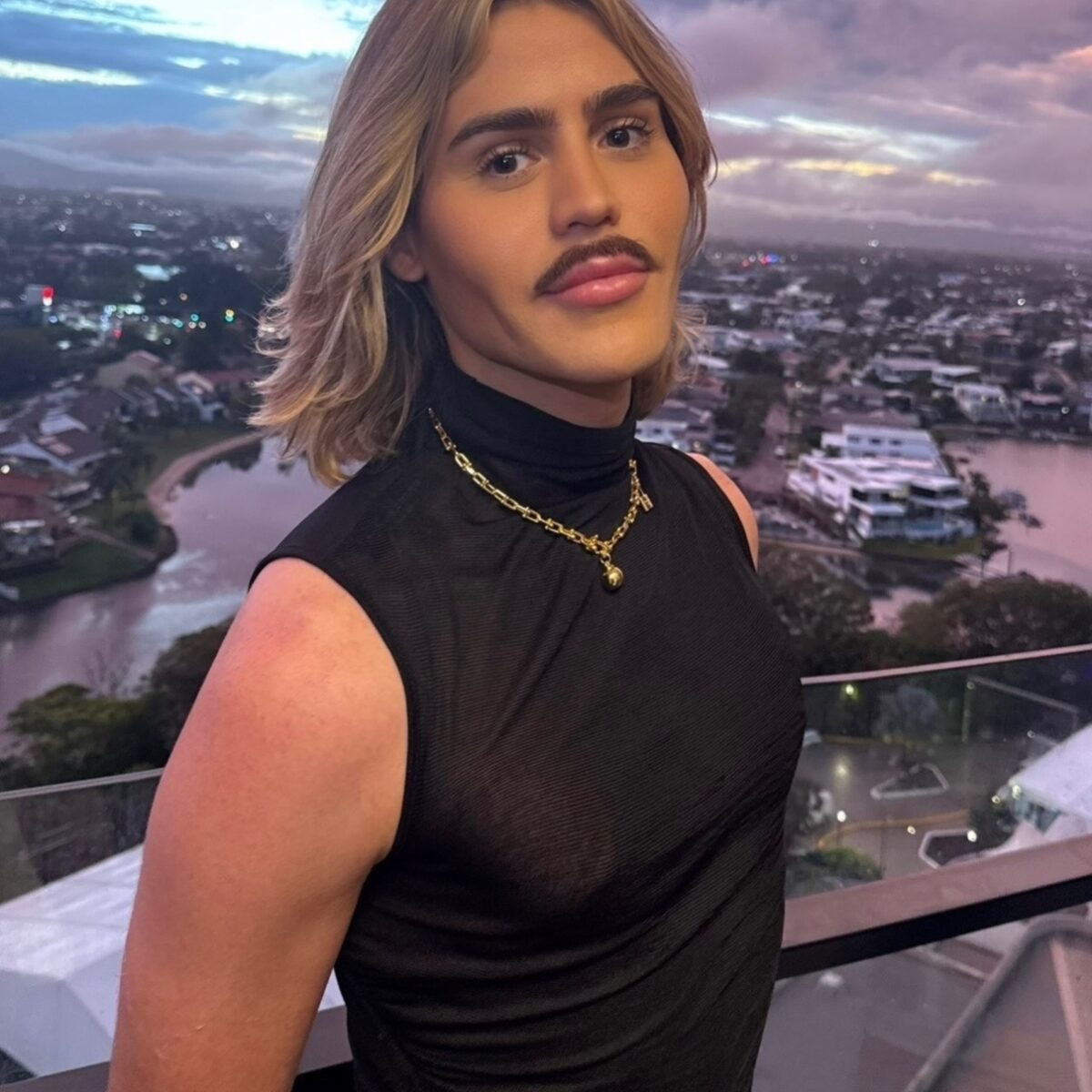
One of the people to play a role in the shaping of Love Rights is Psychotherapist, Patrick Rory-John. They say the project is a preventative based model which teaches the importance of consent.
“The project was created due to a gap in the industry, particularly in the area of domestic family and sexual violence where, there may be resources out there and support out there to help people become more aware but they weren't accessible to people with disability.”
Rory-John argues people with disability are far more likely to be at risk of victimisation to domestic family and sexual violence than any other cohort.
They’re not wrong.
In 2022, the Royal Commission into Violence, Abuse, Neglect and Exploitation of People with Disability found women with disability are twice as likely to experience sexual violence over one year compared to women without disability. Data also shows 46% of women with cognitive disability and 50% of women with psychological disability have experienced sexual violence since the age of 15, compared to 16% of women without disability, according to the findings from the Disability Royal Commission.
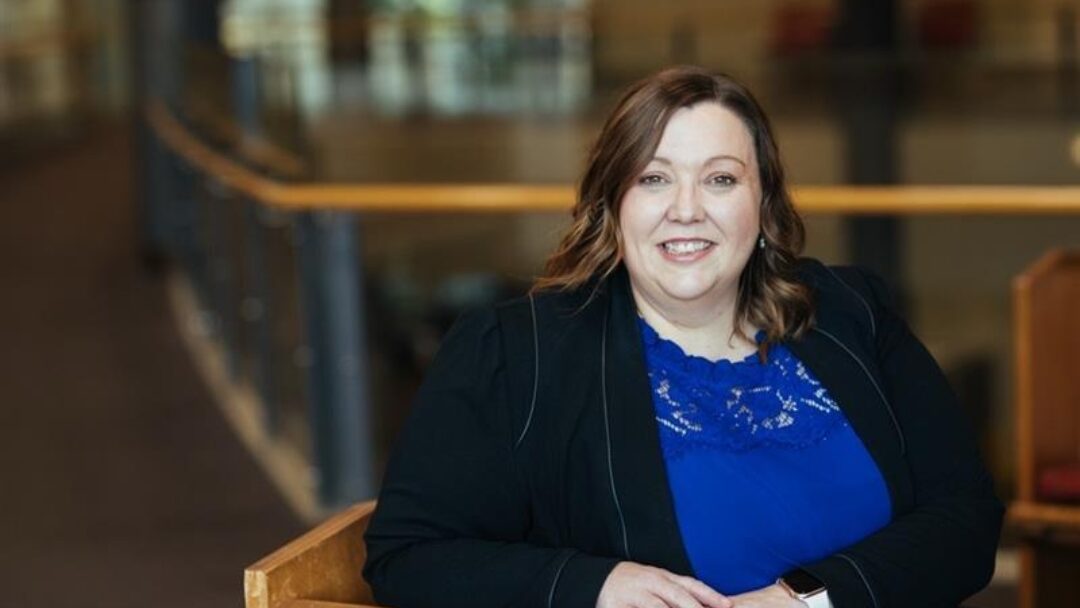
Deputy Chief Executive and acting CEO of Life With Barriers, Leanne Johnson, believes relationships, intimacy, and sexuality in all its variations is a core part of the human experience.
She explains that many people with disability experience isolation, and have fewer opportunities to explore relationships safely.
Through the Disability Royal Commission, it was definitely highlighted that people with a disability have not had the right support and education in this area
Leanne Johnson
“At Life Without Barriers, we've been doing an enormous amount of work in this space…supporting the human rights of people with a disability to form meaningful relationships, but also control decisions about their sexuality.”
Psychotherapist Patrick Rory-John explains that people with disability are often seen as either incapable of being in relationships or not interested in sex.
“Often people with disability are infantilised, treated and seen as children. Because of that, they don't receive vital information from parents, carers, educators, on sex education, on consent boundaries, sexual pleasure,” they say.
“Disability or not, if you're not taught about these really important concepts that help build healthy relationships, how do you then know when a relationship is unhealthy? How do you know when your boundaries are being violated? When you don't know what your boundaries are because you were never taught them.”
Acting CEO of Life Without Barriers, Leanne Johnson is calling for more investment into accessible consent education nationwide.
Research has shown repeatedly that education reduces risk. It’s said over and over again that the more knowledge people have, the more safe they will be
Leanne Johnson
“Sex and consent education is important for all of us to ensure safety, autonomy, and wellbeing. I think when people understand consent and boundaries, they're better able to protect themselves, can communicate their needs and form healthy relationships.”
If you are interested in learning more about consent education, click here.