News
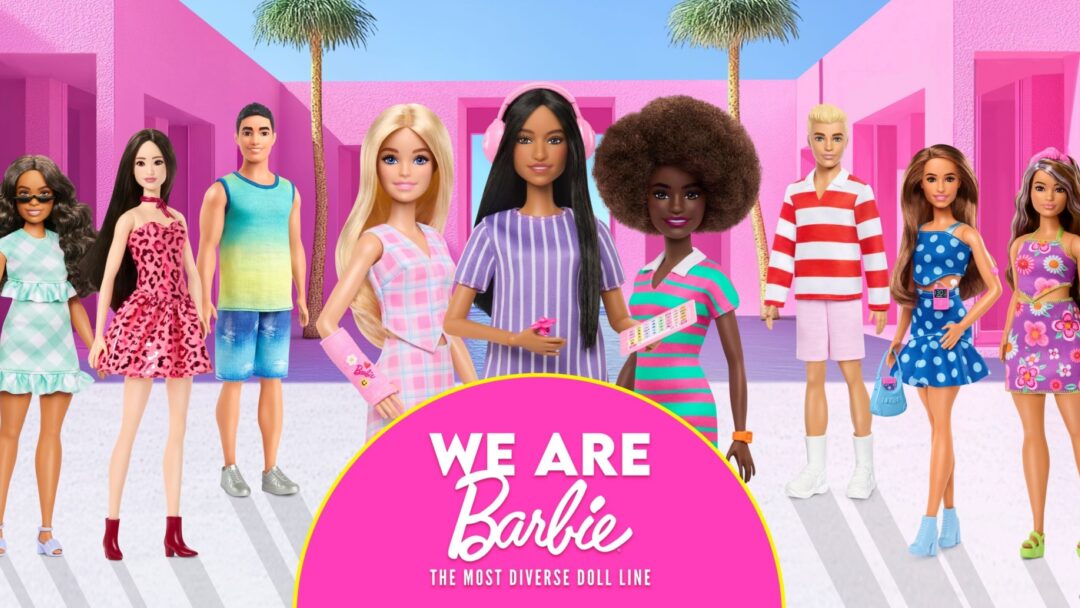
Many among the autistic community have been making their criticisms known online, following the recent release of a new doll depicting elements of the condition.
Released on the 12th of January by global giant Mattel, Autistic Barbie is the latest doll in the brand’s disability range, but many are debating whether the doll is an accurate reflection of what the disability represents.
Developmental scientist, vlogger and person with autism, Dr Kristyn Sommer, explains that some of the concerns surrounding the doll are due to current societal representation and the kind of palatability that the toy presents.
She says a prime example of this is the lack of labelling on the box to inform owners of what each accessory item represents, pointing to the confusion surrounding the Augmentative and Alternative Communication (AAC) device, which can consist of simple picture boards to high-tech tablets, that help people who have difficulty with speech or language to communicate.
The Reddit and the Instagram discussions were very quick to make an incorrect label of it…these Barbie fanatics, just calling it basically headphones, a calculator and a fidget spinner. It felt like the point was missed instantly, and the value of that representation was immediately lost. That is a really missed opportunity, particularly for autistic parents of nonverbal children who don't yet know what an AAC device is or that it might help their children.
Dr Kristyn Sommer
When asked about the general response to the doll itself, the Development scientist explains there was a “quick tide shift.”
“I saw was the language shift from ‘Yeah, I am concerned about this’ to ‘it's not about you. Autism doesn't have to look like you to be good representation of autism’,” Dr Sommer says.
Upon the doll’s release, Autism Awareness Australia CEO, Nicole Rogerson, pointed out previous attempts of authentic media representation in her blog, citing Sesame Street character, Julia, Thomas and Friend, Bruno the Brake Car, and Lego’s hidden disabilities mini figures.
For many autistic people and autism families, that kind of thoughtful, visible inclusion has helped build understanding and reduce stigma.
Nicole Rogerson
However, Ms Rogerson was critical of the amount of attention being paid to the doll while autism continues to be surrounded by a global ecosystem of misinformation.
“Families are trying to make decisions in an environment that is often noisy, confusing, and emotionally charged. Against that backdrop, it is understandable that some people view the public attention given to an autistic Barbie as trivial.”
For now, Dr Sommer believes the significant milestone deserves to be celebrated despite its initial imperfections.
"The criticism of Mattel and how they've rolled out this Barbie as well as all the disability Barbies prior to this, should not have outweighed the joy and the considerable win for the global autistic community.”