News
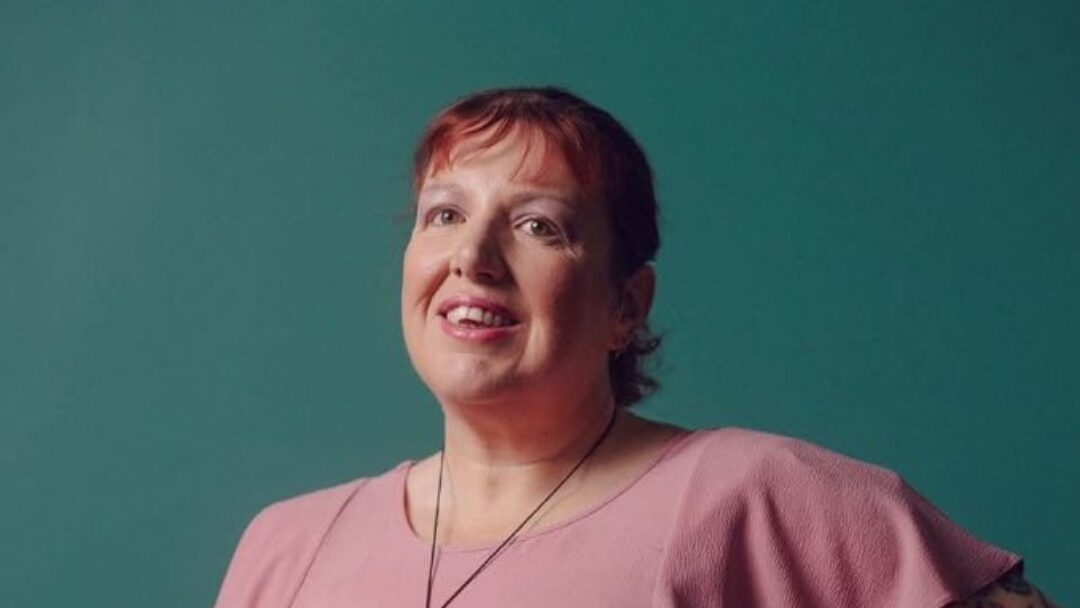
People with intellectual disability, acquired brain injury and complex communication needs are calling on the Federal Government to reject proposed NDIS reforms, saying changes to supports could affect their ability to work, participate in their communities and have a say in decisions about their lives.
The NDIS Self Advocacy Working Group, supported by the Self Advocacy Resource Unit (SARU), has launched the campaign Don’t Cut What We Need — The NDIS Was a Guarantee! ahead of the Senate inquiry deadline.
The Working Group represents 16 self advocacy groups across Victoria, including groups led by First Nations people with disability, people with acquired brain injury, Deafblind people, LGBTIQA+ people with disability and people from non-English speaking backgrounds.
Bec Biddle, who has an intellectual disability, is a member of the NDIS Self Advocacy Working Group and works in paid self-advocacy For Bec, being part of the group has provided an opportunity to speak directly about how the proposed changes could affect her life.
“I’m able to have a voice, I get to tell my story and get to help everybody else advocate about these changes that are happening.”
Bec Biddle
Bec’s work involves attending meetings, conferences and events, travelling and speaking with organisations, councils and decision-makers. Her work does not fit neatly into traditional nine-to-five hours, and she relies on support workers to travel to meetings.
She is concerned that changes to how social and community participation supports are funded could affect her ability to continue working.
“I feel like I would be affected hugely because I rely on support workers to take me to meetings. I would lose my paid job.”
Bec Biddle
For Bec, the impact would extend beyond her own employment.
“It’s not just me, it’s a whole pile of people there in the disability community who are going to be affected if these cuts are approved.”
Bec Biddle
Bec says her work has included advocating for accessible transport and housing, while supporting other people with disability to develop advocacy skills and become leaders in their communities.
Miranda Darrer, a SARU Project Worker for Self-Advocacy, says the Working Group is particularly concerned about the proposed power for the Minister to change social and community participation funding.
“That’s the funding that they need to leave the home and be in the community, and be just ordinary, everyday people and do ordinary, everyday things like everyone else,” Miranda says.
They say the group is also concerned about potential changes to NDIS access and the impact on people if alternative supports are not available.
Bec says people with disability need to be directly involved in decisions about the scheme.
“We should be part of the conversation. We should be the ones making the decisions about the NDIS,” she says.
Miranda says SARU has supported the Working Group to develop its campaign, engage with politicians, make a submission to the Senate inquiry and share self-advocates’ own stories.
As the Senate inquiry closes today, Bec has a clear message for government.
“Listen to us, let us make decisions about our lives. The government should not be making decisions without us,” she says.
“Don’t cut what was guaranteed to us.”