News
Many young people with disability would now no doubt be feeling a range of emotions after losing access to their online profiles following the implementation of the Australian government’s under 16s social media ban, which came into effect last week.
According to the eSafety website, the social media age restrictions have been introduced to protect young Australians from online pressures and risks that can be harmful to their health and wellbeing.
However, the social media ban has already proved to be deeply isolating, with many younger members of the disability community having lost their ability to communicate with their peers in a safe and accessible way, according to Children and Young People with Disability Australia.
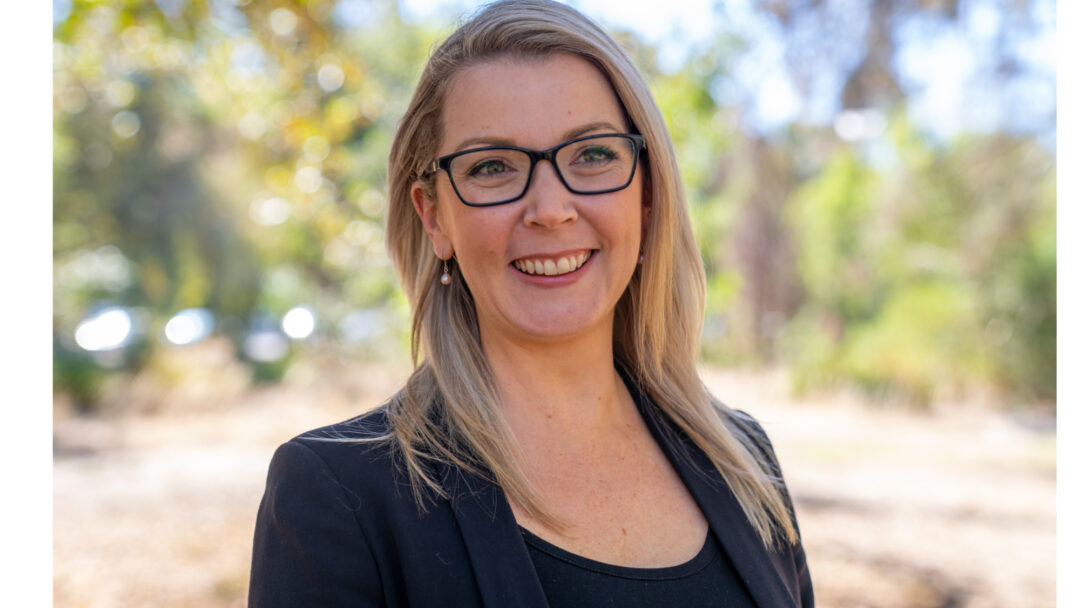
CEO of Children and Young People with Disability Australia, Skye Kakoschke-Moore, says the changes which came into effect on 10 December carry very real mental health risks.
“Since last week, we’ve already heard from several disabled young people and families who are concerned about being isolated or further disconnected from an already inaccessible world.”
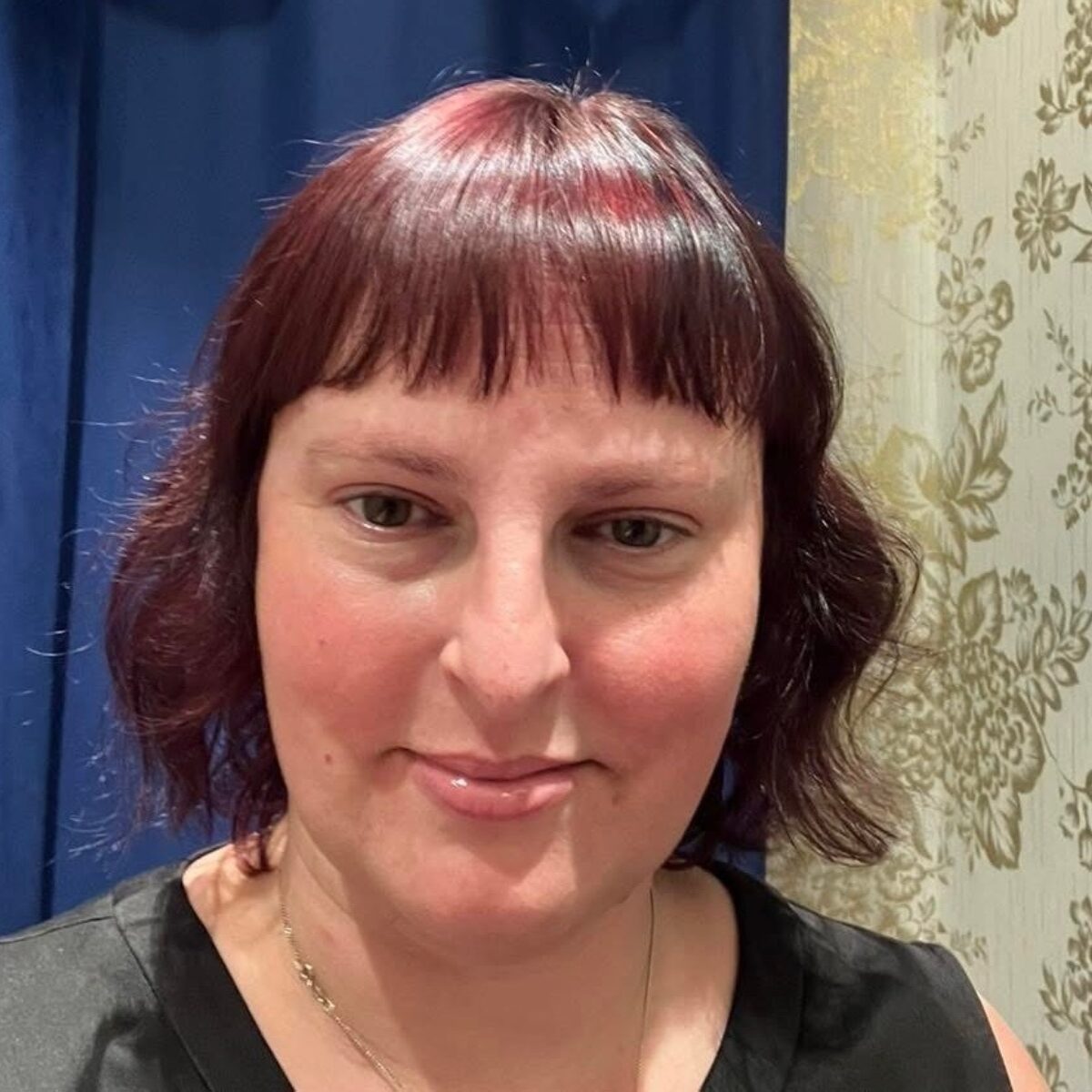
Jennifer Crowther is a mother of a 12-year-old daughter with disability. She explains that her daughter has only recently found an online community of likeminded peers, but they live across Western Australia, making it almost impossible to connect in person.
"I think the blanket ban has not considered marginalised groups who may rely on these platforms to help development their network of supports,” Ms Crowther says. “My fear is that for children with disability, who already find it hard to connect, they are even more isolated through the social media ban
A reported 70% of young people with disability declared it is easier to be themselves online compared to 59% of youth without disability, according to the New Playground publication by the E-Safety Commissioner in 2023.
Ms Kakoschke-Moore argues that many community spaces remain inaccessible for children and young people with disability.
Social media platforms offered a reliable alternative for genuine connection and self-expression, with about seven in 10 disabled young people saying it was easier to be themselves online, and many using social media to make friends
Skye Kakoschke-Moore
The CEO of Children and Young People with Disability Australia is calling on the government to address the concerns of the disability community before it is too late.
“It is vital the government and social media platforms address these impacts before restrictions purportedly designed to improve social and mental wellbeing cause more harm,” Ms Kakoschke-Moore stresses.
If you would like to know more about the ban, click here.