News

Why the disability community is rejecting the NDIS bill.

Emma Myers

Jun 3, 2026

Public submissions have closed for the Senate committee inquiry into the National Disability Insurance Scheme Amendment (Securing the NDIS for Future Generations) Bill 2026, following significant concern from the disability community over the proposed changes.
 
More than 240 submissions were lodged with the inquiry, with many individuals and organisations raising concerns about how the reforms could affect access to disability supports.
 
The bill was referred to a Senate committee inquiry on 14 May, giving NDIS participants and the disability sector just under two weeks to respond to the extensive legislation. 
 
The more than 100-page bill outlines significant changes to how the Scheme will operate, including eligibility requirements and the types of supports that can be funded.
 
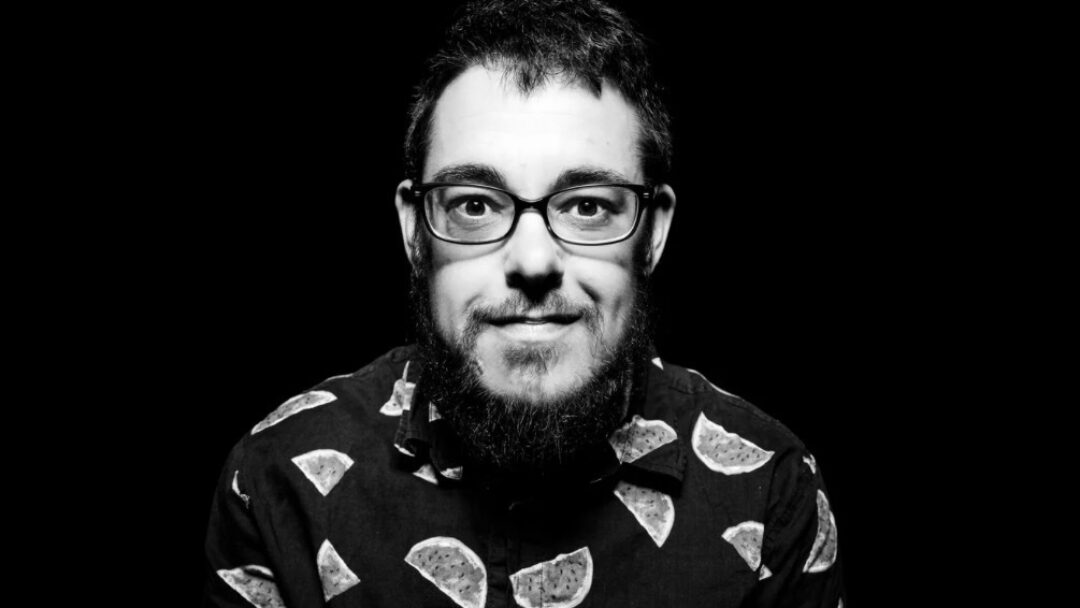
People with Disability Australia (PWDA) Acting CEO Megan Spindler-Smith warns that many people could be pushed into isolation, crisis and segregation if they lose supports under the Federal Government's proposed plan.

The Government keeps talking about sustainability. But people with disability are hearing something else entirely: that hundreds of thousands of us are expected to make do without essential supports.

Megan Spindler-Smith Acting CEO of People with Disability Australia (PWDA)

Respected disability, LGBTQIA+ rights activist and educator Jax Brown OAM says the NDIS has had an immensely positive impact on their life.

My NDIS plan enables me to parent my two young children, hold down two part-time jobs, and be an active member of my community. As a queer person with disabilities who has been self-managing my NDIS plan for the past 8 years, I have built a team of support workers I know and trust to care for me

Jax Brown OAM
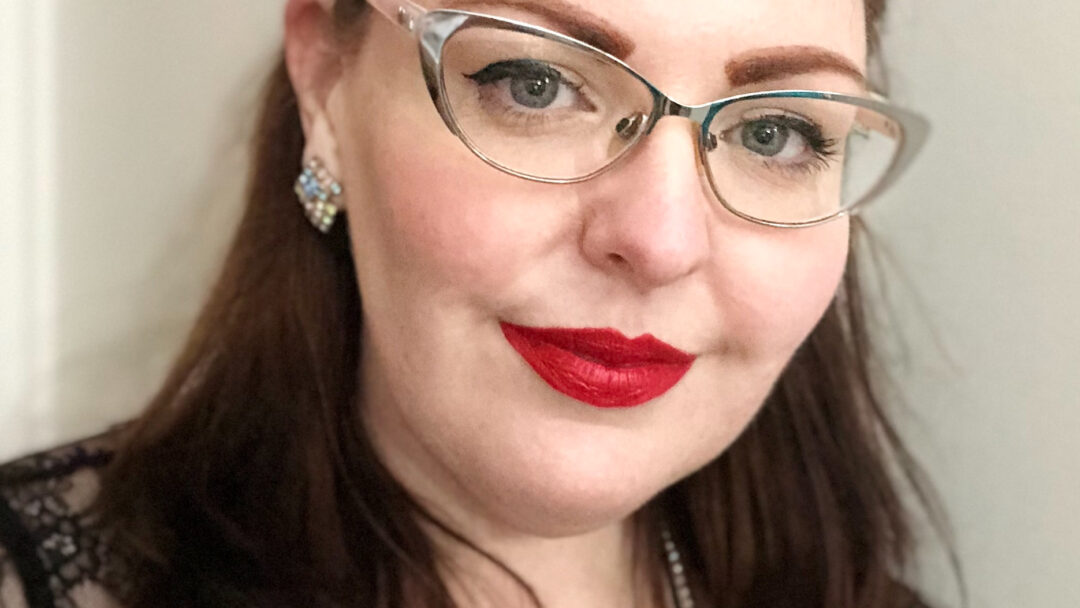
Mr Brown says he is deeply concerned by the proposed changes in the bill, particularly the power it gives the Minister to reduce funding in any category by any percentage without parliamentary approval or appeal processes for participants.
 
“Minister Butler has already stated he will reduce everyone’s Social and Community Participation funding by 50% which will leave people trapped at home. The impacts of this unchecked power will be far reaching and devastating.”
 
New government modelling reveals cuts to social and community participation supports are expected to deliver the largest savings under the reforms, accounting for just over $13 billion over the next four years.
 
Ms Spindler-Smith says these supports are frequently misunderstood by the broader community.
Megan Spindler-Smith Acting CEO with Disability Australia (PWDA)

A lot of people hear ‘social and community participation’ and think recreation or lifestyle funding. These are actually supports that allow people to leave home safely, get to work, attend university, maintain relationships, parent their children or avoid becoming completely isolated,

Megan Spindler-Smith
“The Government’s own analysis shows these cuts will disproportionately hit people with psychosocial disability, people with Down syndrome and people with visual impairment.”
 
However, NDIS Minister Jenny McAllister recently told Sky News the proposed legislation is necessary to ensure the long-term sustainability of the Scheme.

The reason we are bringing forward the changes to the NDIS is principally to make sure that this scheme, which is so important for the human rights of people with disability, will be here in a decade's time and will retain public support.

Jenny McAllister Minister for the NDIS
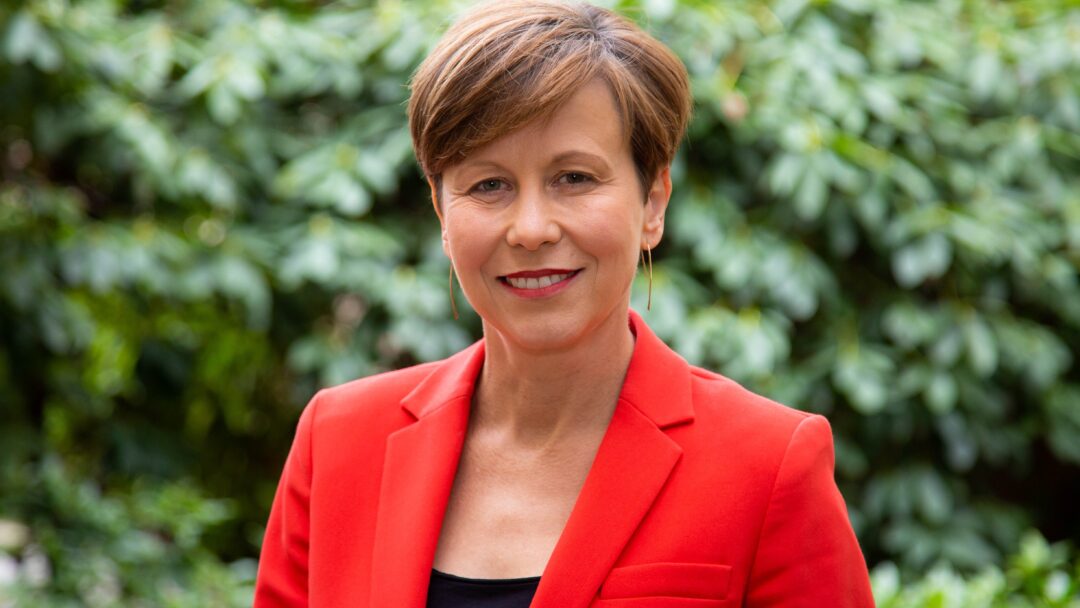
Ms McAllister said the legislation should be passed sooner rather than later.
 
“The NDIS is a life-changing reform, but we also want it to be sustainable for the long term. Right now, it just costs too much, but the changes we propose do involve savings to the budget, and the consequences of delay are significant.”
 
Meanwhile, Ms Spindler-Smith argues that legislation which could fundamentally reshape disability support in Australia should not be rushed through Parliament.
 
“This Bill must not pass in its current form. The safeguards are too weak, the risks are too high, and disabled people are being asked to carry the consequences of decisions they were never properly consulted on.”
 
The Senate committee is expected to consider submissions before reporting back on the proposed legislation.
 
Powerd will continue to follow developments and provide updates as the story unfolds.