News
Australia's Disability Strategy is a national roadmap, guiding governments, businesses, and communities to work together to build a more inclusive Australia.
At its heart, the strategy exists to ensure people with disability can fully participate in Australian life with equal rights, real opportunity and respect.
To see how the disability community feels about the changes, lawyer, writer and disability advocate, Sam Drummond is travelling around the country talking to the people who are being impacted by the strategy.
The inaugural episode of Building Inclusion, a Powerd Media podcast hosted by Sam, focuses on employment, where the strategy aims to support people to find and keep real jobs.
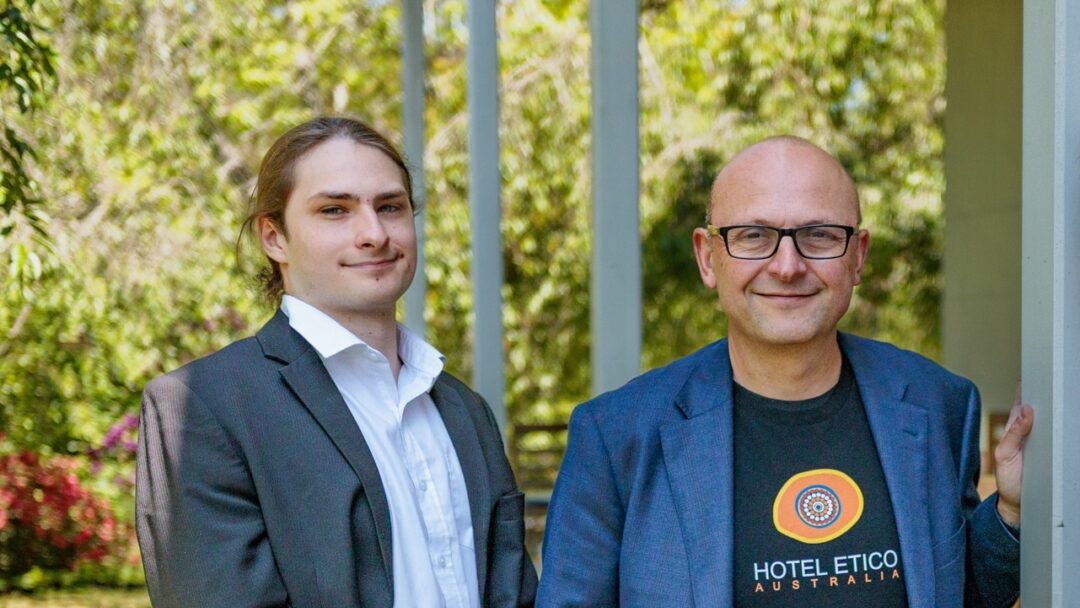
CEO and co-founder of Hotel Etico, Andrea Comastri, is passionate about social impact, and supporting people with disability to live their best lives. He says Hotel Etico prides itself on being Australia's first social enterprise hotel here in Australia.
“We're based on an Italian model…what we do is employ and train young men and women with disability in hospitality and independent living skills,” he explains.
Mr Comastri believes the most beautiful thing about the business is witnessing the conversations and interactions that happen between trainees and the general public.
That's where the inclusion happens. That’s where the exchange happens, and there's a lot of barriers that get knocked down
Andrea Comastri
During the 12 month program, employees learn transferable skills that apply to life and work while earning a full wage.
“They graduate from our program and we help them find employment in the tourism and hospitality industries,” the CEO says.
“One of our key elements of our success is that we partner very deeply with…hotels, restaurants, other venues, businesses, and we ensure that they can offer jobs prospects or careers within their establishments. We work with employers to build their capacity to work with people with disability.”
So far, 53 people have participated in training at Hotel Etico, with 42 of the trainees graduating from the program. A total of 34 graduates have received employment within the hospitality industry.
Quinn Jones lives with autism, and has completed his hospitality training at Hotel Etico. He explains how difficult it was to find work as a teenager.
“I think I started when I was 16, but I wasn't working, I was doing volunteer work…I had really no experience, but the jobs I did have, I struggled with.”
Mr Jones recalls the “nerve-wracking” experience of his first day.,
It was a chance for a change in my life, even though I was very nervous. I was very motivated to come here every day, and I tried my absolute best in everything I did. I've learnt so much from this place. I've learned how to learn…I've learned confidence and that confidence has helped me improve my learning.
Quinn Jones
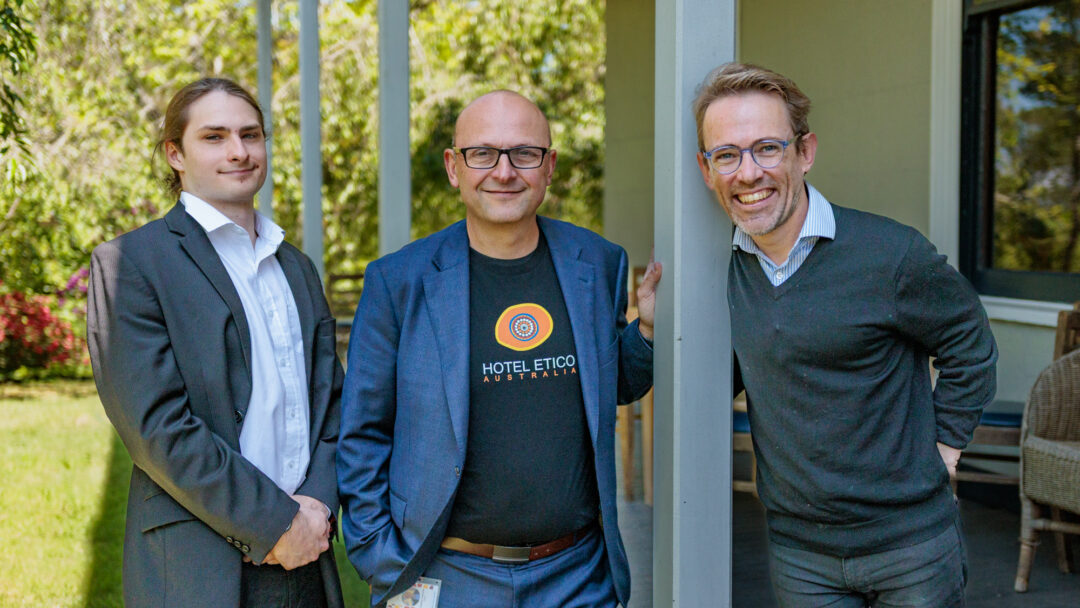
When asked if he had any advice for job seekers, Mr Jones says the best thing to do is try.
“Try your absolute best because even if you don't think you can do it, you won't know until you try. It's about learning through process and the things I learned created passion, and so by pushing myself to learn hotel, it created these passions.”
The Northern Territory’s YouthWorX is another program that helps young people with disability gain work experience and skills to prepare them for meaningful employment.
One of the young people doing work experience is Kaitlyn, who has been passionate about the cafe industry since year 10. From that early interest, she set her sights on becoming a barista and was even able to complete a barista course while still at school putting her skills into action.
“Unfortunately, I had a car accident in the middle of it, but luckily I was able to finish…after I recovered."
Kaitlyn says YouthWorX has broadened her cooking and life skills.
“I actually brought a few of those tips home. I've learned how to cut up a salad and then I've cooked chicken before. I've even made fried rice. It's just helped me improve my skills and being able to feel comfortable around cooking.”
YouthWorX programs are not just about learning a specific skill. It also helps young people get used to workplace behaviours, so by the time they step into a new job, they're work ready. This is complimented by coaching sessions, workshops, and volunteering opportunities.
For participants like Kaitlyn, she feels her new found confidence will carry her beyond the program, changing the way she navigates the world, interacts with others and approaches everyday situations.
She says employers need to be more accepting of accessibility adjustments within work environments.
I get really tired when I stand on my feet for too long. I would need few breaks in between shifts and flexible working shifts would be acceptable
Kaitlyn
Tanya Pederick is the Program Coordinator at YouthWorX. She believes having a disability shouldn’t exclude anyone from obtaining employment.
“Accepting someone who may have a few differences to the rest of the team…that shouldn’t actually be a problem. I think it's just being accepted for who they are and having an open mind.”
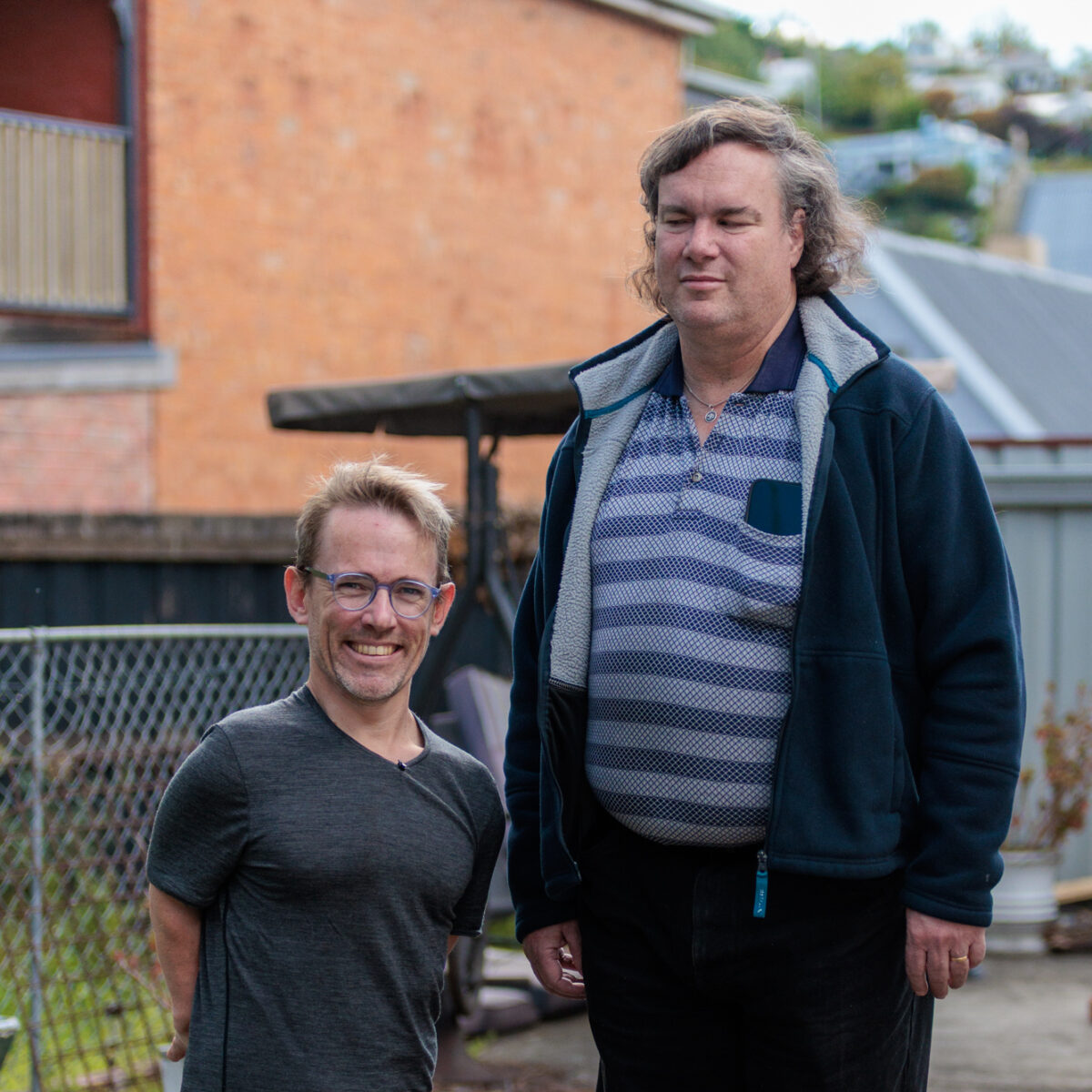
Vaughn Bennison is the CEO of Disability Voices, a disability organisation building capacity for Tasmanians with disability to ensure their voices are heard by government and the broader community.
Mr Bennison believes it’s important to meet individuals at their level and inquire about the sort of career path they envisage for themselves and work with them to achieve their goal.
“What that's about is modelling…giving them the skills they need. They need to be able to develop their own style of leadership and their own career path.”
“More than that, we need non-disabled people to understand that employing disabled people is the best way to make sure that your products and services…are accessible and inclusive to all.”
If you liked this story, you can listen to the full episode of Building Inclusion, a podcast about Australia's Disability Strategy presented by Powered Media, right here.
This podcast by Powerd Media is supported by funding from the Australian Government Department of Health, Disability and Ageing under the Inclusion and Accessibility Fund: Australia's Disability Strategy (ADS) – Community Attitudes grant program.