Audio
Van Badham
Sideshow by
2RPH2 seasons
Van Badham
1 hr 01 mins
Join presenters Anthea Williams and Liz Cooper for discussions with artists and arts workers from across the creative spectrum for entertaining, enlightening and provocative discussions about art, culture and disability
Description
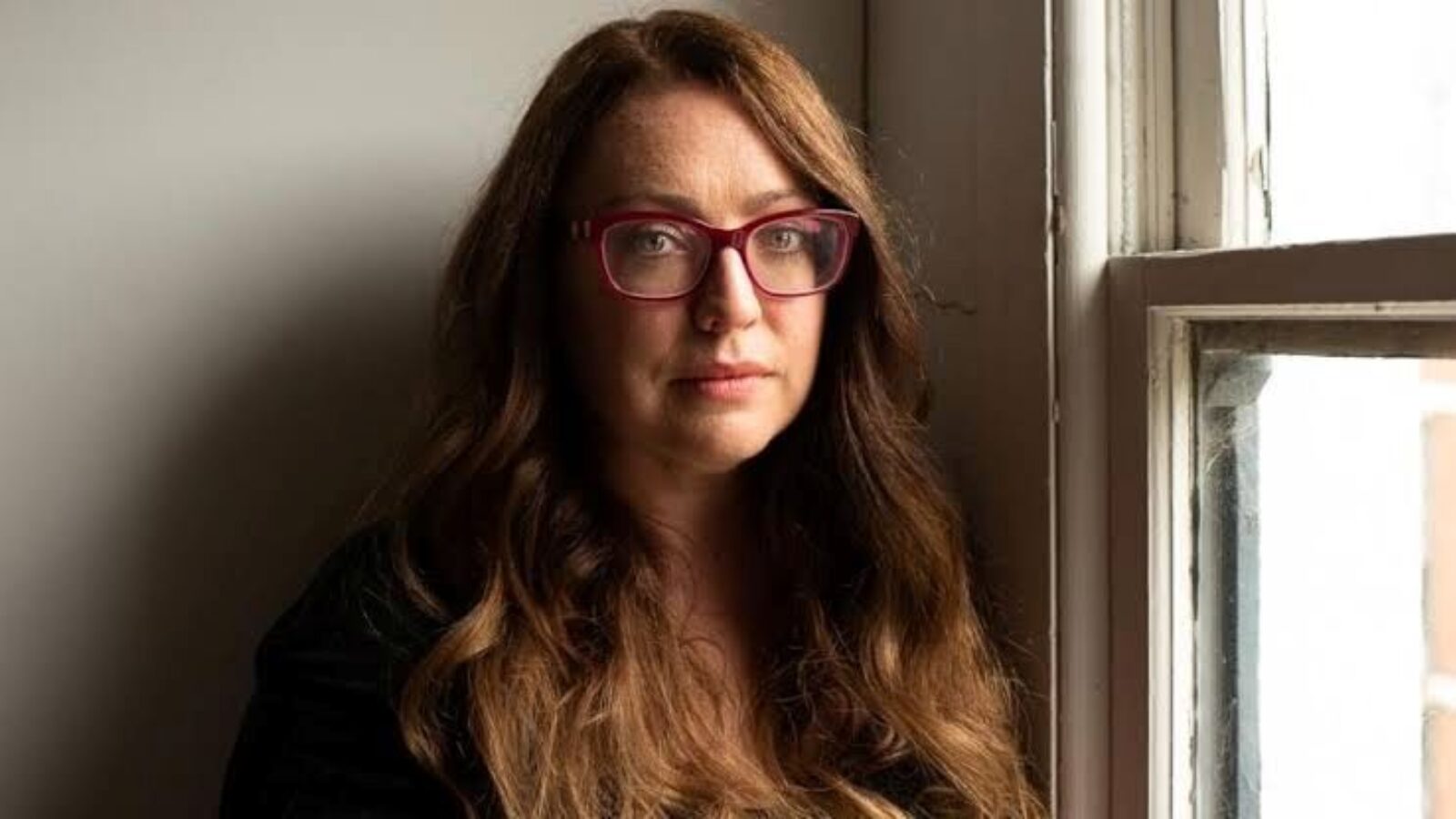
Van Badham is a writer of plays and novels, an activist and columnist for The Guardian Australia. In the last years she’s been diagnosed as having ADHD. Join us for this special episode of Sideshow where Van examines her past through this new lens, while we acknowledge her brilliant work as a writer.
https://www.theguardian.com/profile/van-badham
Download a transcript of this episode here.
What’s on:
Em and Maddie Solve Your Problems
https://www.youtube.com/channel/UC8KhkpfnlbsiHajDVHj1lHw
Arts Project Australia – Devoted to You
https://www.artsproject.org.au/exhibitions/devoted-to-you/
Music Sample: Charlie Lane – Gold Drips
https://charlielane.bandcamp.com/track/gold-drips-2
Charlie Lane with her iconic fusion of devastating lyrics and energetic music has carved out her niche in the Melbourne music scene.
----
Any feedback or requests for 2024 please contact Anthea at antheawilliamsnet@gmail.com
Anthea: Hi podcast listeners. This is Anthea Williams with Sideshow. If you listened to our show on the radio this week, you'll know that we're doing something slightly different this time. I had such a fantastic conversation with Van Badham about her recent diagnosis of ADHD that we decided we would play the whole interview unedited on the podcast. You may have already listened to the first 25 minutes of this on the radio, in which case you can jump 25 minutes in. If not, I hope you enjoy. Welcome to 2RPH with Sideshow, this is Anthea Williams. Today I have the phenomenal Van Badham with us. Van is a writer and an activist. She's a playwright and a novelist, and she also writes a column for The Guardian. She is very, very prolific. Thanks so much for joining us today, Van.
Van: Oh, thanks for having me, Anthea. It's lovely to have a conversation with you in this format.
Anthea: Yeah, it's really lovely to be chatting to you. And I should let the guests know, we've known each other for ages, we're old friends and colleagues. Hey, Van, can you tell us a little bit about when and why you started writing?
Van: Writing? So, I started writing very early. My mother was a stenographer and she e- ended up in the public service, but she worked in the TAB. She was a working-class woman who happened to own a typewriter that my father had given her as a love gift when they were courting. And my mother had a Remington typewriter, which she used to do, uh, casual work and cash jobs. And, um, when I was little, very, very, very little, my mother taught me the alphabet on her Remington typewriter.
Anthea: Oh, that's so cute.
Van: And so my little fingers became accustomed to hitting the keys and, uh, that, and a combination of my very recently widowed grandmother who loved to read and read to me, and I read every Little Golden Book in the suburb of Sans Souci, let me tell you, um, when I was a little girl. I loved to read and I loved Sesame Street. So it was a combination of three things, it was the typewriter, Nana and the reading, and Sesame Street. And then I was just off on one because I could read before I went to school
And my uncle used to call me the mobile library. I had a little, uh, cart that I used to drag around after me. All the other kids would be bouncing balls and running around and I would be demanding that my extended family of uncles and cousins read to me, and everybody thought this was so funny.
But because I could read and because I could type, in particular, um, and write and picked up those literary s- skills, the literacy skills, really quickly, the literary skills were encouraged. I could, uh, translate my thoughts into text. That I was sensitive to text and could pick it up in my environment. The fact that I could replicate it and see a capacity in myself to build sentences and describe things that were happening to me, that started incredibly young. And that was encouraged by my parents, who were pretty amazing people. I mean, both my parents left school at 15. The closest they had to knowing anyone who worked in the arts was a friend who was an adult entertainer who lent me some amazing costumes for book week, can I just say.
But my parents just encouraged this. So they were of the philosophy that, um, whatever you, whatever your calling was in life, you should pursue it. Just make sure that you're the best at it. That was their, sort of... So even though they didn't really understand the strange vocational calling I had since I was a very, very little girl, they facilitated it the best way they could. And they were, they were quite incredible.
And I started, I was obviously keeping diaries and writing little stories and making little, you know, zines at home, not for public distribution, but as a very, very small girl. And then obviously, at school was being encouraged to write and to be good at English and to, sort of, pursue those, um, skills. And- and, I mean, I didn't have a great time at school, which will become obvious later, but occasionally I would strike a teacher who didn't think I was a disaster, who thought that I had a capacity that could be encouraged. And when I struck those teachers I- I had an amazing time. I can remember the names of every single teacher who encouraged me when I was at primary school and high school.
But when I was 14, I begged my parents to let me go to Drama 'cause I thought I wanted to be an actor, which is quite normal for a 14-year-old, I think. But I'd been at Drama for, like, one week, and this is, like, your Saturday afternoon drama class when they, sort of, said to us, "Oh, you might wanna write scripts and we'll do them in class next week." And then I was just off. Then I knew what I was doing. And I st- I still did acting when I was, uh, at, um, when I was a high school student and I did, like, a semester of acting at university, but that wasn't me. Like, I'm not... I'm of the text.
Anthea: Yeah.
Van: And I know what my role is in the theater. I'm not a director, uh, although I have directed. I'm not an actor, although I have acted and I'm not a designer, although I have designed. Um, but having had those experiences I think has made me a purely, sort of, theater creature. And I- I did drama. I loved writing. I wrote my first play when I was 15 and I was just off. Like, I just had such a sense of vocation. theater people were my people. I... 'Cause theater people are people-people. I loved my... My drama friends we-... got me through a very, very tough time at high school. Then I went and did creative arts at the University of Wollongong. I mean, at one point I was gonna drop out of school... And I was also passionately interested in visual art and that's a, sort of, to come back to, as well
But I, sort of, turned my future into a lottery, like, I was gonna leave school. I had one teacher, an art teacher, who begged me to stay. Who said, "Just don't believe what they're telling you about you. You will get into university just hang in there." I did hang in there, barely at times, but I hung in and I got into the creative arts program at the University of Wollongong. Which I had applied for and it was the only course I wanted to do. Like, I didn't... There was n- nothing else at university I was really interested in doing.
But Wollongong University at the time, you could do more than one. They- they understood that creative people are usually creative in more than one way so you could do, uh, creative writing and theater and visual art and music, or various combinations within those. And I was, like, "That's obviously where I belong." And, of course, the moment I got there I was with 300 different versions of myself and having an amazing time.
And, of course, at university... And it was, you know, the time and the... To go to art school in the 1990s was the greatest experience anyone could ever have 'cause it was, uh y- y- you know, they had learnt so much about art school at that time and there was still all kinds of people who were going to art school. And they encouraged us to design our own subjects and work out the kind of projects we wanted to make. And the whole focus at Wollongong was about making it and getting it on and putting the show on and having the exhibition and writing the opera and getting your friends to be in it. And the- the cohort of people who I went through that course with, uh, have done incredible things with their lives and their careers, like, quite extraordinary. But I was absolutely just all over it. I was a 24-hour party person, as you can imagine, in that kind of environment.
And then my course was coming to an end. By this stage I got very heavily involved in student politics, not out of any kind of... I mean, I had very strong ideological convictions. I'm obviously a left-wing person. I'm obviously a feminist. I'm a very committed environmentalist and always have been. Um, I came from a trade union family. I had very strong labor trade union politics, as you can imagine. And, you know, got involved in... Uh, student media was my entry and also booking bands, um, at... on campus. And was editor of the student newspaper and- and came into contact with the world of student politics, which I just found fascinating actually, on an artistic level as much as an ideological one. I found the characters who were attracted to student politics, really fascinating and just a more diverse experience.
Like, I'd never really met ruling class people until I was involved in student politics and meeting these, like, 19-year-olds who had gold Amex cards. They were, like, I mean, we didn't have them at the University of Wollongong when I went there, let me tell you. Like, the kids from Sydney Uni and Melbourne Uni who knew everyone, who had done everything. The- the daughters of famous poets and things like that, it was quite amazing for me. Working class kid, state school, grew up in the burbs, went to Wollongong Uni, you know, like, it was something else.
But I- I got a lot out of it. Like, I learned how the world worked and I learned how politics worked and that really was hugely helpful to my writing 'cause I had something to write about. Like, it's one thing to write a pretty sentence, but there's no point in writing a pretty sentence unless it changes the world. And that, sort of, experience of student media and- and student politics meant that I stayed at university too long and had, sort of, run out of creative arts subjects to do and picked up an arts degree.
And then I had quite a formative experience where, um, my boyfriend at the time and I were living in a- a share house in Wollongong. His former flatmate who was older than us, he was 31 when we were 25, he had been living with my then boyfriend and this guy's girlfriend. And then was just gonna live with his girlfriend and then turned up on our doorstep saying, "Yeah, no, I was wondering if I could live with you? I haven't got any money, I'll trade you paintings." He was a friend of mine from art school. He was, like, "I'll trade you paintings for rent." So we traded paintings for rent and he, like, lived in a granny flat under our house and he was never there and...
But we had this really, really beautiful relationship with him, he was quite an extraordinary person. And he was on the way up as a visual artist. Like, he had quite a full-on backstory himself, um, which we didn't know that much about at the time, but knew, sort of, bits and pieces. And he had just been bought by the regional gallery in Wollongong, uh, which for 30 and for the kind of person he was, was pretty amazing. He was being welcomed into the circle around Bundanon and it was all happening. Like, he was selling into major collections.
And then he died. He died of an aneurysm in his s- sleep. Um, not at our house, at someone else's house. And it was, sort of, weird, like, he was supposed to be at our house and he wasn't. He was... He stayed at some random person's place and he was gone. And it had such a profound effect on me because he was at the beginning, like, he was striving and he was making gains. And I just turned around and looked at my life and I'd done student politics and I was living with this wonderful guy in a beautiful house, you know, that cost no money 'cause this is back before Wollongong gentrified. And, you know, it was perfectly comfortable. And I was just like, "Nah, I can't. I can't not try. I can't, I can't not pursue this as far as it can go."
And my boyfriend had been accepted into a PhD program and he was teaching at university and he had an income and he had, you know... Uh, because we were living so cheaply, we were living really comfortably and I could just, all I could think is, "If I don't get out now, I'll never get out and I'm just never gonna know how much I could've done." So I applied for an exchange to the University of Sheffield, which is basically Wollongong with snow-
Anthea: (Laughs).
Van: ... in the UK, because they had a pretty amazing drama department. And what got me was that they'd done a production of Richard the Third and set a hill fort on fire. And I was like, "I'm going there." And, sort of, uh, and won a scholarship so I could go. And I had some good luck, like, I got a couple of jobs. I wasn't... It was, like, short-term contracts so I wasn't ex- expected to get... At one point I was working seven contracts at once to pay for this. And this is all, like, community art stuff. And I'm in a really, really... Was just living on- on- on coffee and youth, I think, to get to Sheffield.
And I just happened to be in the right place at the right time and turned up, and because I'd done shows and I'd had a couple of very, sort of, small, um, you know, Australia Council, now Creative Australia, grants for productions, like, amongst the undergraduates that was quite impressive, you know, back in Australia. And I, sort of, encouraged people to think I was a lot more successful than I was. Um, obviously 'cause I was... we're in a foreign country surrounded by these people who were so well-read and so literate and going down to London to see shows and knew who everybody was and had seen every play and whatever. And I didn't want them to think I was a bumpkin so I just adapted really quickly and went down to London to see shows.
And, um, and then at Sheffield Uni just fell in with this group of people, uh, who were like, "Yeah, we wanna take over British theater, are you in?" And I was, like, "Yeah, sounds- sounds pretty good." And that was it. Like, they were, they were the, kind of, role models that I hadn't had about what you had to do to do the next thing.
Anthea: Yeah.
Van: And they took one of my plays, they did it at the Edinburgh Festival in 2002. So I was on exchange in 2001, came home and nothing happened. Like, I had done all these shows in... Like, we did a show at The Crucible, which is the big theater in Sheffield that Michael Grandage, who went on to become the artistic director at Donmar Warehouse, he had supported. 'Cause he thought that I was quite funny, and he thought that the other kids were quite ambitious and interesting. And so people were, sort of, helping us and... Which I'd never had that experience in Australia, like, it was, kind of, a closed shop.
And just that idea that people were interested in me because I was interested in- in writing and creating scripts and being in the theater was really life-changing. And when I got back to Australia, I just couldn't really work out why I was here. And then I got a phone call from one of the boys back in Sheffield who went, "We're taking it to Edinburgh, you've gotta be here on, like, the 28th of July. And I'll change your life."
Anthea: So, it-
Van: And that's what happens.
Anthea: Yeah, yeah. So, it's so fantastic hearing about how you started writing and- and I wanna come back to that, but you're such a successful writer in Australia now, and in the last couple of years you've come out and talked about how you've been diagnosed as having ADHD. And so I just wanted to have a chat to you about how that has changed your work and your practice and your understanding of your brain and how that came about. Because I think a lot of women in the arts, particularly women our age, are going through this at the moment.
Van: Well, I mean, it's been, it's really been life-changing. And that's not any underestimation, I mean, overestimation at all. That is no exaggeration, is the word I'm looking for. Hi, I'm a professional writer. I always... I thought my brain was normal and I thought I w- just was a bad person. I mean, that's... Uh, what I now understand to be ADHD, I ha- at various times have thought of as cowardness or, um, distractibility or, uh, vapidity or flightiness or instability. Just a... Or... About a series of character failings.
I mean, my story's, like most people who come to a late-life diagnosis, my story's quite complicated. So there was obviously a problem when I was at school, um, from the very beginning. Because I was either completely on fire and absolutely committed to whatever the project or task was that I was doing or the subject that I was interested in, and the subjects I was not interested in or didn't have a grasp of were just, I just didn't engage. I just stopped engaging. The, uh, by the time I got to high school and it- it really started getting bad when I was around 10, um, was that I just was not on the same channel as everybody else and wanted to do my own thing. And w- was having some problems at home. My father had lost his job. And, you know, working-class family going through, um, m- m- male parent unemployment is- is pretty brutal. Um, and, you know, was living in a very middle-class part of Sydney, but as a working-class family, which was also awful.
And there was a lot of, sort of, class-shaming that was going on at the state school that I was at, um, just amongst other children and teachers and things. And it was horrible. Like, it was really, really bad. And the... It was very difficult to pick out, at the time, whether it was a, sort of, social problem, it was because my dad was unemployed and things were really going to pieces at home, um, or if it was, or if there was something wrong with me, or if I was just a bad kid. And I got a lot of "just a bad kid", um, because I just didn't wanna be there and was playing up. And just really hated it and hated myself. And at times just found school, like, absolute torture
And bear in mind, I could read before I went to school. I came from a very, like, pro-education family because my parents had had no education. They were adamant that this was the priority for me. I had a grandmother who absolutely adored me, who would read me War and Peace from page to page had I requested it, you know, like? So I didn't have the usual markers around just hating school that much. I just didn't have them. And I was in real... Like I just... I physically couldn't stay in the room sometimes
And then I had another... I left that school. My dad got a job, so we moved and I got a teacher who, sort of, found ways to keep me engaged and, "It's all right, Vanessa, you don't need to do this.
How about you go and read a book? Or how about you paint a picture or whatever." And I was, like, "Yeah, that's great." Like, so I was not disturbing other children and- and playing up.
I made a very bad mistake. I went to the- the... I got into the local selective high school and, sort of... I- I mean, I was 11 years old and the- the peer consensus was that you went to the selective school or you were stupid. Like, you know, that's a bunch of 11-year-olds making that decision. So I went to the single-sex selective school because I didn't want people to think I was stupid and, of course, it was the worst place I could have been. Absolutely the worst place I could have been. And the- the behavior and the playing up got worse and worse and worse. And I just physically couldn't sit in certain rooms. And I was being referred to the counselor. I was on... in detention all the time and I was just looking for trouble to get into because I couldn't, I couldn't bear being there. It was just..
I remember being very young and just thinking, "I can't deal with this, sort of, crushing silence and this ongoing just sitting there." Like, I just felt that my life was sit- sitting there listening to, uh, not even, it wasn't even listening to garbage, it was just, it was being policed. Because this is the thing, like, I would go home and I would read all my textbooks and, you know, watch I, Claudius and learn Latin grammar and do all the things. But I couldn't sit in the room and I couldn't concentrate and I couldn't pay attention unless it was sometimes English, sometimes history, but always art class. Like, art class was the only place where I could actually connect.
And, I mean, it culminated in me getting expelled from a state high school at the age of 16, um, because I had, like, I'd had enough and stormed out and the teachers did not wanna teach me. And the- the principal told my father, she said, "Look, you can, you can argue the point and I... and legally you can force me to keep her in this school, but she'll fail every subject she does. And I'm telling you that now. We will fail her. We do not want her here."
Anthea: Wow.
Van: So I ended up at a state school down the road who took anyone and they said, "Look at Port Hacking High School, Miranda, we believe everybody's good at something. It might be maths, it might be English, it might be being a really good friend. But as far as we see our mission, it's to find out what you're good at and help you to do it." And then I was just on a dream run and they rescued my education. Because they did things like go, "Hey, Van, you don't seem to be paying attention. How about you sit in the book room and just do your own thing? Or how about you do this project? Or why don't you get on the debating team? And do you wanna write the end of your show?" And just that, kind of, teaching 'cause they'd seen it all. 'Cause it was a, you know, real state high school where they do take anyone and they just have a much broader understanding of a diverse educational need
And they let me drop maths and they let me... Uh, so I did the HSC. I only did, um, visual art, English and drama and ancient history were the only four subjects I did. And I nailed the HSC, it was hilarious. I mean, I found it so funny because I had been all over the place and I'd been expelled, but because I'd, sort of, been channeled into the things that kept my attention, um, that's how I went on
But the problem was there, like, this horrible restlessness and that was interspersed and- and what hid it from a lot of people was that, one, I was capable of hyper-focus. And not everybody with A- ADHD does get hyper-focus. Um, but hyper-focus means that you can work yourself into a state where you are absolutely fixated on what you're doing and all of your mad energy goes into whatever that is. And I could summon it, particularly if I was doing something like visual art or creative writing, I could, or theater obviously, I could channel it
And while I was having all of that stuff at school, that's when I was doing all my, sort of, youth drama stuff. So, I mean, it didn't make a lot of sense to my parents, like, "How can she be functional and socional... social and doing all these projects but not able to hand in an assignment?" But we got through that. And then I was at university and, of course, at university I started drinking and smoking weed and doing university kind of things. And then that became the, sort of, dominant problem
I mean, I'd always had this issue with depression, which, um, resulted eventually... uh, there was a brief bipolar diagnosis, which was really unhelpful. Um, that resulted eventually in a diagnosis for post-traumatic stress disorder and major depressive disorder. So my mother would treat these, sort of, gray days where I couldn't engage, my mother would just let me take the day off school, which was the best thing she could have done, quite honestly. No questions asked, I'd stay at home with a pile of magazines. As I got older I do think she'd be, like, "You can have a day off, but make it educational." So I'd go and get, like, a- a student ticket to see an opera matinee or, um, go to the art gallery and... or go to a park or just, you know, do... go to a museum. That was the trade-off with my mother that I could not go to school if I did something that was good for my brain, stay at home watching, you know, French movies on SBS all day, kind of, thing.
And, um, but the depression was something... We didn't really call it depression in our house but we knew that I had this, sort of, problem. My mother would call them gray days. And then, when I was at university and I was out of home and I was drinking and smoking weed and the depression was getting worse. And I totally screwed up my first year at university and failed a bunch of subjects and it looked like, you know, these peaks and troughs were coming and going.
And what- what happened was, I mean, I got totally swallowed into the, sort of, party girl image I developed of myself. And a lot of my, sort of, chaos, which we now know was ADHD, was explained by s- substance misuse. Um, I have a diagnosis for chronic alcoholism, which I got when I was 34. Um, I've been clean for a very long time now, for 16 years. But certainly, like, "Why can't Van hold down a job? Why can't Van f- finish things? Why are things always late? Why is there this constant, sort of, cyclone of madness around her that's occasionally interspersed with these periods of intense hyper-focus?" Like, I would know that the- the partying was too much and then manage to be clean for, like, two or three weeks and finish something or do a show and get through it. And then the project would be finished and I'd be out partying again and, um, you know? And because that was how my life looked. I mean, my poor parents were stressed out of their brains 'cause they just could not work out why I was like this.
And, of course, years have gone by and, um, like, I'm in a 12-step program, which I absolutely credit for my sobriety. And as the years have gone on cousins, I get phone calls from cousins who are, like, "Guess what I'm doing?" I'm like, "You're in a 12-step program." They're like, "Yeah." And that's- that's more than once and, uh, amongst that particular coterie. I mean, it's, kind of, beautiful going to AA meetings with your family members actually. It... we do... it represents progress. But, um, but there are other people in our family who will never take the step to walk in the room and- and should.
But, you know, we've come to terms with the fact that as a family, we have this problem, which I found out is not actually mental. Like, it's, uh, uh, we... Our family's from a very small genetic community on the west coast of Ireland. Uh, we have, uh, you know, su- blood sugar problems, it's pancreatic. A doctor explained it to me that, you know, I- I drink alcohol and my body thinks it's, like, super-fuel and that's why I can't stop because I'm running on it. And all these issues that became clear. But, of course, all of this is happening, all of this chaos and all of this madness and this depression and there's other things that are happening, all of it obscured what the central issue was. And this problem with life management and my brain.
After I sorted myself out, I got clean in England and, sort of, put my... My career had gone off the rails eventually and I put it back together. I... A job came up as the literary manager of the Finborough in London. And by this stage I was in recovery and I essentially went in on my hands and knees and went, "I- I need this job." And the artistic director of the Finborough was well aware of how much of a mess I'd made of my life at that point. And he went, "This is, this is your second chance and everyone deserves one." And he's like, "But if you blow it, you will... This is it. This is, this is Last Chance Saloon."
And I pulled my life back together working as a literary manager at the Finborough and got back to Australia where I became literary associate at the Malthouse. And was back in Australia when a number of things happened. My father died, which was absolutely heartbreaking. Um, and I didn't relapse. I kept myself clean. I started seeing a therapist. And, uh, when I was on bereavement leave, I got asked to do a gig by a friend of mine who used to run a comedy night called Cherchez la Femme, which was a feminist panel show based on Q+A 'cause the joke was that women never used to be on Q+A. So she would just do a panel with five feminists and you would never have to argue about a definition of feminism 'cause everybody was a feminist. You could actually talk about, um, whatever the subject was. And it was always very raucous
And she... We... She would do it at the Gaso in Collingwood in Melbourne. And it was a lot of green-haired 19-year-olds from RMIT critiquing, this is privilege and very fun. And then she did it in Sydney at the Vanguard in Newtown when I was on bereavement leave, and she asked me if I would do it 'cause she knew I was in Sydney. And I was like, "Yeah, yeah, yeah, I'll do it." And, um, and I just presumed it would be the same kind of crowd because back in the day Newtown... Newtown was a very different place at, uh, e- when I first experienced it. Uh, can we just say I was expecting a slightly more punk rock audience than all the women in suits who just heard me do jokes about menstruation for an hour when the lights came on. And I was like, "Oh my God, what have I done?"
And I got a phone call the next day from The Guardian saying, "We're recruiting columnists and we think you're really funny. Um, would you be interested in a column?" And I was like, "Yeah, yeah, I'd be interested in a column." And I'd, sort of, I had been warned that as a playwright, my interest in literary management, like, it would serve a developing understanding of the role of the playwright with a theater company, but I would lose interest in it. And it was completely true. And, uh, and my fascination with that, kind of, role had burnt out and I was making my boss at Malthouse unhappy. I was unhappy. When she said, "Maybe it's time you moved on." I was like, "Yeah. Yeah, I think it probably is."
Anthea: (Laughs).
Van: And I threw myself into the opportun-... The Guardian opportunity was just amazing. And I started to put together a very different life. At that point 'cause my father had died, being around a theater company is, like, the worst place you can be if you're actually going through something very serious. Because all of the, all of the craft around emotions in that place, I couldn't, I... It just was not where I was at, you know? And I wanted a different experience and so The Guardian offered me, sort of, the perfect ADHD job, like, really short turnarounds. "You have three hours to say 1,000-high... like, international-quality English words about a n- breaking news story, can you do it?" And that I could just snap into hyper-focus immediately and de- and developed my talent doing it. They put me on a contract and suddenly I was a columnist for The Guardian.
But what that brought with it was a public platform that I had never imagined in the theater. Like, even successful Australian playwrights, they're only n- name-checked in the theater community. Like, very few Australian playwrights are known outside of people who go to the theater. Um, and... Or- or take up that, sort of, public role. And, of course, writing for The Guardian, you're in it immediately. You know, members of parliament are ringing you up to go, "How dare you say this about me in your latest piece?" And, um, everybody, sort of, wants to influence your column and, "Would you do a piece about this? And are you interested in that?"
And, um, and because of my old networks in student politics, all of the people I had gone... had gotten involved in student politics to observe, they were running the country, like, that... Generationally we're all in the same place. And so I was in this extremely scrutinized and publicly-dissected role. And, of course, with that has come the phenomenon of trolling and just, like, this constant chorus in my life of people telling me I'm absolute human garbage. It's like the internal voices, um, who've always told me that I didn't deserve anything, that I was garbage, that I was a terrible person, were suddenly external and in print. Like, publishing all the time. Like, all of my negative self-thoughts turn out to be real people with a lot of time spent on the internet.
And what (laughing), well, what happened was I had... was engaging in this discussion on Twitter where there... A vi- there was a viral post where a psychologist had said, "Look, I'm really interested in hearing about people who think and how you think. And whether you're the kind of person who has thoughts all the time or whether you are, like, your brain goes into neutral and you can just focus on the task at hand." I was, like, "I refuse to believe anybody's brain goes into neutral. Like, I just refuse to believe it."
I said, "My brain just never stops. Like, the- the hardest thing in my life is getting to sleep because it's just constantly replaying, you know, episodes of trauma or situations that I wish I'd done differently or being completely obsessed about the name of the blonde guy in Scooby-Doo." It's Freddy by the way. You know, like, these, sort of, questions in the middle of the night, "Ah, I don't actually know the plot to Midsummer. I should definitely read the Wikipedia entry. I should do this and I should turn that into an anagram." And just this constant... An- an- an- an internal voice that just never shuts off.
And I got abused for the response. Me going, "I'm absolutely tortured by insomnia and my brain doesn't shut off. I constantly re-engage trauma." People were, like, "Oh, my God, she just thinks she's so good. She thinks she's so amazing. Oh, my God, 'cause she's got a column for The Guardian. Ugh, she thinks she's a big deal." Like. And, um, and one of them... This conversation online, this randos, um, one of them went, "Yeah and just how obvious is it she's just got ADHD?"
Anthea: (Laughs).
Van: And I was, like, "I don't have ADHD. That's ridiculous. Like, that's just... What nonsense." You know? And I went to that place, like, "Oh, I guess, everybody's gotta have something." You know, thi- this, kind of, rhetoric, you know? And, um... But I kept thinking about it and then I... There was some, kind of, article came up on my feed 'cause I'd been thinking about it, "What are the symptoms of ADHD?" I'm, like, "All of this looks familiar, but I know what's wrong with me. I have major depressive disorder and I had a substance problem and I, you know, I've dealt with those. Like, I'm in therapy, I do blah blah blah." And I just... But I couldn't... It was the familiarity going, "All of this does sound really normal."
And I said to my partner, "Do I do these things?" And he was, like, "Oh, my God, all the time. It drives me completely insane." And I was, like, "Right." So I had therapy and I went, "Do you think I've got ADHD?" My therapist burst out laughing and she went, "I thought that's why you were here."
Anthea: (Laughs).
Van: I'm, like, "What?" And she went, "What do you think I'm treating you for?" And I went, "Depression." And she went, "Which is part of?" And I was, like, "Oh, God. Oh, God." I was, like, "I'm gonna have to get a diagnosis." She was, like, "Well, yeah, we've been through a diagnostic process before." I was, like, "I thought they just diagnosed post-traumatic stress disorder." And she said, "Well, that's what they were looking for, but maybe you should, maybe you should get a diagnosis." And she referred me.
And, of course, the ADHD diagnosis process is they get the person who knows you best to, um, answer a bunch of questions and... 'Cause you're completely unreliable 'cause you have ADHD. And I went in to see a psychiatrist and he was, like, "Oh yeah, you're a textbook case. What happened to your mother when she was pregnant with you?" I said, "Oh, um, my grandfather died two months before I was born. Um, my mother almost lost me." And he went, "Yeah, textbook." Um, he said, "Everything, uh, that... everything about your behavior, everything about these things that..." Because you have to tell your whole life story and all of these really granular, sort of, experiences.
And he went, "You absolutely have ADHD. I'm gonna put you on Ritalin." And I was, like, "I don't wanna take drugs. Like, I've worked really hard to be clean." He went, "Well, the thing is that Ritalin burns out in a couple of hours. Um, and it- it- it... Given the fact that your chemical history has not been one around dexies or uppers or, you know, uh, this could be a very new experience for you. And this is how we work out, like, whether it's ADHD or not, is how you respond to the medication." So I was pretty frightened. And, um, we went through the prescription process and my partner was part of that 'cause I was, like, "I'm not gonna lie, like, I'm terrified of relapsing. Like, I have worked so hard to be sober. Like, I lead a sober, sober life."
And, um, and he wa-, uh, they... Like, my partner was amazing. He was, like, "This is a supportive environment. I am not gonna let you fall. Like, it's okay, but if what's on the other end of this is some relief," because I had gotten to the stage, like, he knew, he really, this is my partner, really encouraged the diagnosis because he was watching me lose my mind. Because I was doing what I've always done and, sort of, summoning this hyper-focused state. And, of course, as my career has gone along, I came back to the theater after I had, sort of, you know, come to grips with what it meant to be a media person and was having these strange experiences, you know, that I had- had things to write about. Um, sort of, got back into theater in 2019 and then everybody... Like, I had just matured as a writer and I had matured as an artist and I'd had, sort of, in- interesting experiences in public life, um, giving me things to write about. And, sort of, refined my analysis of the kind of subjects that I'm interested in.
And I had work, the- the best work at the highest level I've experienced. When the Melbourne theater Company offers you a commission, you take it, you know? Like, um, when the Sydney theater Company says, "We're giving you a week of development," you go. When the State Theater Company of South Australia says, "We love this idea for a musical, um, let's get you in," you're there, you know, and you do the hours. I mean, that's what I had worked for my entire life, was to have those opportunities. And I had, sort of, three big projects on the go, including a television show, which I'd never written before. You know, these doors opening and wanting... You know, my dead parents in my head going, "Whatever you do, just make sure you're the best at it. Just work harder. Like, you don't have to be the most talented, you do have to be the most committed." You know, that, kind of, um, framework.
And I had been working on... I'd just done two massive scripts and was on a third one and I was just crying at four o'clock in the morning and Ben came out going, "What's going on?" I was, like, "I don't think I can do hours like this anymore. I can't work all night anymore. I can't. I physically can't do it. I'm burnt out. I'm burnt out. I can't do it." And it was, sort of, that he knew how much pain I was in, how much I was struggling, even though I was having the best career years of my life. And... But something had to change. And the change was that I- I was convinced that even if the Ritalin went wrong, there would be... I had to try it. And I had a support structure so I wouldn't end up, you know, back in a rehab unit. And-
Anthea: And so what happened when you tried it?
Van: Well, what happened when I tried it was within half an hour I knew what it was like to be a person. Within half an hour, like, the medication kicked in. And I was literally shaking when I... I had... 'cause I, 'cause I'm on a five milligram dose, which is tiny-
Anthea: Mm-hmm.
Van: ... and, like, a lot of people with ADHD would be, like, "Oh, my God, five milligrams, you absolute, um, amateur. Uh, you're on a kiddy
Anthea: Yeah, that's- that's, like, neuropathic. (Laughs).
Van: But you've gotta remember I've had nothing stronger than Panadol-
Anthea: Yeah.
Van: ... in my system for 15 years.
Anthea: Yeah.
Van: So, anything just goes straight through me. Like, I have a liver that is so clean you could shine a torch through it these days. And, yeah, so it just, it was amazing. Like, the voice stopped, it stopped. And I wrote a list of things I had to do and found myself going, "Actually, I don't need to do that today. That- that's a lower priority." And I was, like, "Wow, that's not how my brain works." And I was, sort of... I had something to do and I was, like, "Oh God." Because, I mean, there's this... an absolute mythology that is pushed by people who either, A, are in denial about the nature of the illnesses they have or, B, uh, don't have illnesses and they're just big drama queens that are quite dangerous for other people. Um, there's a mythology that the drugs will stop your creativity.
Anthea: Hmm. Yeah.
Van: And I'm just, like, "This is a lie. Like, this is an absolute lie." Like, I had been put on antidepressants in the past and they didn't work, and I was depressed and frustrated and thought there was something broken in me because they didn't work. The reason why they didn't work was because that wasn't the problem, the problem was the ADHD. And the- the Medicaid... 'Cause I have friends who had terrible depression, who have had incredibly positive experiences on antidepressants and, um, and, um, you know, and I just felt that I was just irredeemable. And this, you know, the voice was, like, "You're garbage. You'll always be garbage. You're not even depressed. You're just nothing. You're this, you're that." But I never lost the creativity. Like, even when I was taking Aurorix and, um, X- Xanax and, you know, um, prescription after prescription, not working, not getting any better, trying to work out why, like, I could still write plays, I could still file articles.
And then I got to the Ritalin and it was, like, "Actually, I can get a lot done today." And people have noticed. Like, I had a really big year. I did, um, three shows in Australia. I did Sydney theater Company, State Theater Company South Australia and Art Center Melbourne. And I have been working on this TV project and I did another writer's room for another TV show. And I've been working on my new book and I've held down my column at The Guardian. And I just did a piece for the New York Times. And I'm doing a slot for ABC and, like, I'm very busy all the time. And doing consultancy work and various other things.
And, um, and people have noticed. They're, like, "You're present and something's changed." And what's changed is the Ritalin. The- the moment where it really hit home was, I was at my desk at my computer getting ready to work and I had a, what I call, like, a traumatic intrusion. In- in our household we call them reveries. I get a traumatic intrusion and I remember a terrible thing that happened and I'm caught up in it. And I'm not remembering it, I'm re-experiencing it. Like, I'm back and I'm physically reacting even if it's only for a couple of seconds to some horrible trauma that I've been in. And it's quite, it's not only distracting for me, it's distracting for my partner and, you know, that I'm obviously in some kind of distress. And then it started and I went, "Ugh, I- I'm busy. I can't think about this now." And my brain went, "Yeah, okay, no problem."
Anthea: Wow.
Van: And it was, like, "What on earth is going on?" And I phoned a friend of mine 'cause I had... 'cause when I was going through this process, I knew another really close friend of mine who's a visual artist, she had been through this as well. And I called her and was, sort of, she was, like, my- my Ritalin coach.
Anthea: Hmm.
Van: She was, like, "Take the medication, it will change your life. Trust me, it will change your life." 'Cause her career has taken off since she's been on the Ritalin as well. And I called her and I said, "Is this normal?" She went, "Welcome to the bliss. This is normal. You can turn the thoughts off." I was just, like, "Why haven't I been taking this for 50 years? Like, I don't understand, like." And it, apparently this is quite common is... Like, I read a Reddit post about it. They've got some nickname for it in America, I can't remember, but when you realize that- that you, that relief was available.
Anthea: Yeah.
Van: And- and-
Anthea: I think there's even a book called, So I'm Not Lazy, Crazy or Mad.
Van: Yeah.
Anthea: Yeah.
Van: Yeah. It's just, the medication works. It's just, it's life-changing. I've got my driver's license. Like, I got my driver's license last year. At the age of 50 I got my driver's license. Like, I never thought I could be behind the wheel of a car, like, I was too mad and too easily distracted. But I took my Ritalin and I did lessons and I got my license and I can now drive a car at the age of 50. And I am learning another language and I can have conversations in that language. And all of these things that I can do because I can shut off, you know, this relentless, sort of, internal screaming, um, and- and focus on the, on the task ahead.
And the thing that I've learnt as well, like, the longer that I take the Ritalin and get used to what a day looks like when I'm a normal person, it's helping me on the days... 'cause I can't take Ritalin every day. Um, that's not how my medication schedule works. Like, I take it five days out of seven and as needed. Um, but, oh, the days when I don't take it, I feel it and my husband notices. Like, he really notices those days. I mean, it's [inaudible 00:46:22].
Anthea: Yes, I notice it very much when my fiance's forgotten to take his, as well. (Laughs).
Van: Yeah, like, the, "Have you taken your Ritalin?" is-
Anthea: Yeah.
Van: ... like, qu-... a common question in this house. But-
Anthea: So, f-... Yeah, for mine it's, "Uh, have you taken your tack-on dose?" 'Cause he actually takes a tack-on dose in the afternoon. Yeah.
Van: Yeah, it's quite, it's quite funny. Like, I noticed a friend of mine was freaking out about something the other day and I was, like, "I think it's dexie time, mate." He was, like, "Oh my, God, you're right." (Laughs). And, like, because there's now that familiarity. But it... I've since learnt, 'cause I'm menopausal, like, I'm 50, there's a lot of literature and research coming out about... 'cause nobody knows anything about menopause. And there's a reason for this, one, because we live in a patriarchal society where women's experiences are devalued, particularly medical ones. But also, two, women used to die before meno- menopause. Like, reaching menopause was quite, I mean, quite an achievement for the majority of human existence.
There's a relationship between, um, menopause and dopamine. And dopamine is the chemical that's not functioning properly in the ADHD brain. It's- it's supply is inconsistent, all over the place. Um, I am not a scientist and I'm not gonna argue the finer points. If somebody wants to correct me on these precise details, go ahead. All I can say is that, um, I... One of the reasons I think so many women are getting diagnosed is, one, because there has been a conscious address in medical misogyny. But also because the relationship with m- menopause, dopamine and ADHD, meaning your ADHD proclivities or problems
become worse because your dopamine supply is all over the shop. The- the medication is life-changing.
I- I- I, uh, I can't... Just this idea that you can control your thoughts is amazing. The idea that you can m- make your working day, a working day as opposed to just working all night is incredible. The fact that you can... I can, um, develop a task list and, of course I, um, have embraced AI as a support tool. Um, or a support aid. Support aid? Tool? Instrument? For my ADHD, um, which has been quite complex. Like, as an artist, I had work stolen by A- by AI. They hoovered up, um, my plays in print, a part of the collective brain of AI, I was never compensated. Somebody who borrows a book of mine from a library, um, it- it... Like, the library will pay copyright on the borrowing of that book. But AI, which is not a public library, not in the public good, it just hoovered it up for no recompense whatsoever. So my re- relationship with AI is quit
Anthea: Yeah.
Van: ... complicated. But they stole from me so I think I'm quite entitled to use AI (laughs) to- to help me, um, while campaigning for recompense around, um, the theft. So, I have embraced it as a means of managing my ADHD, particularly around task prioritization. And, um, I use, uh, I just use ChatGPT to develop prioritization lists. To, um, I use it to generate questions so I can help identify what I need to prioritize, how I should break down my time. 'Cause apparently the dopamine problem, um... The- the reason why ADHD people are chronically hopeless with time is not because they're bad people, but because time is something registered in the part of the brain that is damaged. So, uh, uh, ADHD people have, like, time-blindness-
Anthea: Yeah.
Van: ... where they can't measure time, like people who don't have that damage in that part of the brain. And that makes so much sense. I mean, I- I have a friend who has a, uh, has this beautiful little girl, right? And we were out playing in a p-... Well, I was hanging out with them one day and the kid's five. And we're, you know, just having this lovely day out. And the kid wanted to play on the swings and her mother said, "All right, you can have five minutes." And I was like, "That kid's never gonna be..." I was, like, "I remember being that kid and being told I could have five minutes, I always took 15 or whatever." And my friend was like, "She'll get it. She knows what five minutes is." And sure enough, this five-year-old had an extra five minutes and was back in her mother's arms and off we went.
And I was, like, "How did she do that?" My friend looked at me, like, "What is wrong with you?" You know? And I was, like, "I never did it. My mother would say five minutes and then I would be back in an hour or whatever." And I was thinking about a particular, in that particular incident, how shocking it was. And it was, like, "Oh my, God, other people can actually measure time."
Anthea: Yeah.
Van: Other people know how long something takes to do and I don't. Like, I just don't. Like, I- I can even... I'm holding up to the screen a pomodoro, one of those beautiful tomato-shaped timers because I have to exist... I have one of these on every table in the house to... Yeah, you can hear, "Tick, tick, tick, tick." Um, I have one everywhere because I can't measure time and my, uh, mobile phone has, like, 100 reminders every day. And I have signs on all the doors, "Have- have you got your keys? Hat? Sunscreen? Do you... Remember to lock the door. Make sure that you turn on the fan." Like, having to have this constant... Because otherwise I will forget.
And my husband, who's, you- you know, made of very different stuff, who's m-... he's a, he's in, he's a, um, a management consultant. So his whole world is time and motion and evaluative best practice and resource, you know, human resource deployment. And, uh, uh, it's just hilarious because he always has a list and he runs on a timetable and he has a schedule that he does every day. I've never had a schedule. Like, I just, sort of, went, you know, and rely on, sort of, other people being able to keep the time that I can pick up enough social cues to function
Anthea: So-
Van: But AI has been incredibly helpful. Like, I've done things like I've loaded my entire wardrobe into my AI to help me make decisions about what to wear based on the weather. So I don't turn up to an event in Canberra in the middle of summer wearing a tailored coat, which I've done in the past, you know, like, these, kind of, reminders. And it sounds so insane when you talk to a person who doesn't have ADHD about the, kind of, you know, the external, uh, information systems that you require just to be comfortable, is really interesting.
Anthea: So, just to finish us off, I'd love to hear, what does a work day look like now and what are you working on for 2025?
Van: Oh, I mean, my work days are busy. I have an assistant who doesn't have ADHD, which is very helpful, um, who thinks I'm quite amusing, which is- is good. Uh, I mean, quite necessary in the job. Like, "Do you find me amusing and can you help me do my diary?" Um, are the- the two, the two questions. So I have an assistant, so I tend to... I... What does a day look like for me? Um, exercise is really helpful for ADHD, um, as is a diet where you're not overloading on sugar. So, I get up. I, uh, have, I have some kind of protein food and a- a good carb, like some oats and which is, I mean, a hell of a way to say, like, porridge, yogurt and strawberries. Um, I go to the gym, I do half an hour at the gym. That's good.
I have coffee. Um, half an hour after I have food, I take my first Ritalin of the day. Then I come back to the house. If I'm at the house during the day, I sit at my desk, I go through the emails from my assistant. I usually have, uh, outstanding admin things, forms to fill in, bios to supply, awards that I've gotta nominate for even though I don't win awards. I'm not that kind of writer, but I've gotta do 'em. Then I will work on a column if I've got a column to do, or I will work on my book, um, for a couple of hours or I will work on a play, depending on what's the most pressing deadline.
I've just written a new play, um, that a bunch of people are reading at the moment. Uh, I am on a commission, um, at MTC, which is really good, which has done one development and, um, so I'm now campaigning for a second development, which would be great. I am off to the UK in a couple of weeks so I'm, uh, planning meetings around that. And I've learned, do you know what I've learned? And I never knew this before Ritalin, that if you just book in what you're doing, you don't actually have to be flexible. Like, you don't have to leave everything to the last minute because other people control their time, and that means you can also control yours. It's really been quite a- a breakthrough knowing that I didn't have to just turn up in London and wing it for eight days. Amazing.
'Cause I wrote a book about Qanon and disinformation, I do a lot of training of various community groups and trade union groups and things on countering disinformation and how to do that. So, I have a gig coming up and, I mean, it's all the, sort of, admin around that, is what a day looks like for me. And then I- I write and write and write. I mean, I spend a lot of time, obviously, at meetings. If I'm not in rehearsal, I'm talking to people about ideas and pitching things and hearing feedback and, um, and also just developing contacts around my work.
Like, my work, the- the work I do for The Guardian and- and various other publications requires a really large network of people and going to events and engaging with things. And what the psychiatrist told me was, he was, like, I have built a career around my ADHD, you know? That I don't, I don't have a 9:00 to 5:00 job. I have a contract with The Guardian, but that's about generating columns, not sitting at a desk and working a certain number of hours. It's about my output, not my presence. Um, and the fact that I just work in constant project-to-project jobs is indicative of that.
Like, writing is hard, it's really hard. Um, and it gets... The thing about writing is that it actually gets harder the better you get at it, which I know sounds really crazy, but it's the demands put on you to be original and to be cut-through and to be entertaining. And to also satisfy whoever's paying you to do what you do, become greater the longer you do it. I did a column for the New York Times this week and it's gone really well, which is great. And it's had really positive feedback. And I- I worked my lungs out on that column. Like, I was in Sydney. I had meticulously planned my time to make sure I could have breaks, um, because I was having meetings with theater companies and my new agent and, you know, doing career stuff. And I went to the theater 'cause I obviously, you know, it's, spoiler alert for anybody who wants to be an artist, you've gotta go. You know, you've-
Anthea: You really do.
Van: ... uh, I always found it really funny when I was a l- literary manager and I'd say, "What was the last show you saw here?" And it'd be something five years earlier. And I'd be like, "Yeah, no, that's not... We need you to wanna be in a relationship with us, for us to wanna be in a relationship with you." Everyone... By the way, if you ever get the meeting with the publisher, like, and they ask you what books you've been reading, the answer is not, "Oh, you know, just the classics."
Anthea: (Laughs).
Van: Yeah, that's not the answer to that question. Um, you are allowed to not like some of the books that have come out in the past year. You're really allowed to not like them, but you have to have read them. That is, that's the-
Anthea: Yeah, 100%.
Van: ... and, you know, like, I read... I mean, this is the other thing. I talk about my day at work and I'm not mentioning the fact that I read 100 newspapers a day. I subscribe to so many publications. Like, I, you know, am constantly chewing through information and... To stay ahead so if The Guardian calls or anybody else calls saying, "Can you talk expertly about whatever this is in a 1,000-word column that's gonna be read by a quarter of a million people in the next two hours?" You have to be ready. So, this piece I did for the New York Times was about bushfire management, which I think I could now win Mastermind on. But, you know, it's... You've just gotta be in the place all the time, absorbing, absorbing. And [inaudible 00:58:25].
Anthea: So, can I ask? Do you now sleep?
Van: Uh, I sleep better than I used to, but not always. I mean, sleep is hard.
Anthea: Yeah.
Van: Like, sleep is difficult for me, you know?
Anthea: Hey, Van, it has been so amazing talking to you. Thank you so much for being so generous with your story.
Van: Oh, that's all right. I mean, I talk about this stuff all the time.
Anthea: No, it's been wonderful. Thank you very much.
Van: Um, the hardest, the hardest part is the stigma.
Anthea: Yeah.
Van: You know, the hardest part of recovery is stigma. And if you just own it, like, literally, you're halfway there.
Anthea: Yeah. Hey, thank you so much for that.
Van: That's all right.
Anthea: Liz Cooper, great to have you back again this month. What are you seeing and not seeing in the coming weeks?
Liz: Anthea, I'm very excited to be back to tell you what I am seeing and what I'm not seeing this month. This month, what I am seeing, well actually, more what I'm tuning into is the podcast Em and Maddie Solve Your Problems. This show is the brainchild of Emily Dash and Madeleine Stewart. These two might be familiar to the audience, no doubt from their individual work. Emily is an actor, a writer, speaker, and a disability advocate. Madeleine is a comedian, writer and disability advocate.
Um, so this show originally debuted at the 2024 Sydney Fringe Festival and was a live show where the audience asked questions, and Em and Maddie did what the (laughing) the title of the show suggests, they solved people's problems. It was a huge hit and now they've re-imagined it as a podcast and a YouTube series. It's available on YouTube and all other podcast platforms. I really like watching it on YouTube personally, because it has captions, um, but I know others may prefer to listen. They have episodes dropping every Tuesday, and I've absolutely loved the first two episodes, which are available online.
Anthea:Fantastic. I can think of no-one better to solve my problems than Emily and Maddie. So what is it that you're not seeing this month?
Liz: Well, what I'm not seeing this month is an exhibition called Devoted to You. Uh, it's an, it's a group exhibition with Arts Project Australia artists. So when the artists are doing their work in the studio at Arts Project Australia, they have heaps of playlists and they listen to lots and lots of music. And this show is... it's about the musicians that have inspired the artists at Arts Project Australia. So the exhibition has ceramics, textiles, videos, paintings and drawings. I really love their work and I think this is worth taking the trip if you're in the area. Uh, the show will be held at the Arts Project Gallery, which is in Collingwood Yards, so in Melbourne. It opens on the Saturday, the 1st of February and closes on the 8th of March.
Anthea: Fantastic. Hey, lovely chatting to you, Liz.
Liz: Thanks so much, Anthea.
Anthea: To take us out this month, we have Charlie Lane with Gold Drips.
Charlie Lane: When I do something I don't do it half-assed.
When windows smash, it's me cutting the glass.
I don't bungee jump, I fly off bridges.
When I bleed, it's me slicing the stitches.
I am strong but my lips are weak.
Gold can pour out if I dare to speak.
Continue listening

Yokohama researcher Giulia Barbareschi and Sydney interdisciplinary artist Eugenie Lee discuss adaptive technology and art-making.
Art and Technology
Sideshow by 2RPH
13/01/2023
•29 mins
Audio

This edition of Sideshow features Emma Myers and Nina Oyama, creators of the new SBS series Latecomers.
Latecomers
Sideshow by 2RPH
28 mins
Audio

Dancer Dan Daw speaks about his remarkable Dan Daw Show, his production company... and about consent, development and joy.
Dan Daw
Sideshow by 2RPH
28 mins
Audio

Writer-performer Christopher Bryant talks of his work New Balance, playwriting, and changes after acquiring disability.
Christopher Bryant
Sideshow by 2RPH
29 mins
Audio

Sideshow features Artistic Director Jessica Olivieri discussing the Season of Care at UTP.
Jessica Olivieri - Season of Care
Sideshow by 2RPH
29 mins
Audio

Sideshow talks with Trans, Non-Binary and Crip writer Jasper Peach about their writing and their new book, You’ll Be a Wonderful Parent.
Jasper Peach
Sideshow by 2RPH
28 mins
Audio

Sideshow talks with Ella Glendining about her remarkable documentary Is Anybody Out There? featured in the Sydney Film Festival.
Ella Glendining - Is Anybody Out There?
Sideshow by 2RPH
27 mins
Audio

Sideshow speaks with Michelle Ryan about disability and dancing - and her work as Artistic Director of Restless Dance Theatre.
Michelle Ryan - Restless Dance Theatre
Sideshow by 2RPH
28 mins
Audio

This edition of Sideshow talks all things access with Jo Simpson, access coordinator at the Sydney Fringe. And more.
Jo Simpson - Sydney Fringe
Sideshow by 2RPH
28 mins
Audio

Liz Martin, musician and CEO of Accessible Arts NSW, talks about all things music, inclusion and how to use crip ideals to make great art.
Liz Martin: Disability Arts
Sideshow by 2RPH
29 mins
Audio

Features Australian actor and dancer Kiruna Stamell.
Kiruna Stamell
Sideshow by 2RPH
20/10/2023
•28 mins
Audio

Multi-talented artist Amy Claire Mills extols the delights of quilting and Unsolicited Advice!
Some Unsolicited Advice from Amy Claire Mills
Sideshow by 2RPH
15 December 2023
•28 mins
Audio
Join presenters Anthea Williams and Liz Cooper for discussions with artists and arts workers from across the creative spectrum for entertaining, enlightening and provocative discussions about art, culture and disability.
Disability Arts History
Sideshow by 2RPH
Disability Arts History
•28 mins
Audio
Join presenters Anthea Williams and Liz Cooper for discussions with artists and arts workers from across the creative spectrum for entertaining, enlightening and provocative discussions about art, culture and disability
Ali Murphy-Oates
Sideshow by 2RPH
Ali Murphy-Oates
•28 mins
Audio
Join presenters Anthea Williams and Liz Cooper for discussions with artists and arts workers from across the creative spectrum for entertaining, enlightening and provocative discussions about art, culture and disability
Van Badham
Sideshow by 2RPH
Van Badham
•1 hr 01 mins
Audio
Join presenters Anthea Williams and Liz Cooper for discussions with artists and arts workers from across the creative spectrum for entertaining, enlightening and provocative discussions about art, culture and disability.
Negin Chahoud
Sideshow by 2RPH
Negin Chahoud
•27 mins
Audio
Join presenters Anthea Williams and Liz Cooper for discussions with artists and arts workers from across the creative spectrum for entertaining, enlightening and provocative discussions about art, culture and disability.
The Apothetae Theater
Sideshow by 2RPH
The Apothetae Theater
•33 mins
Audio
Join presenters Anthea Williams and Liz Cooper for discussions with artists and arts workers from across the creative spectrum for entertaining, enlightening and provocative discussions about art, culture and disability.
Andy Jackson
Sideshow by 2RPH
Andy Jackson
•28 mins
Audio
Join presenters Anthea Williams and Liz Cooper for discussions with artists and arts workers from across the creative spectrum for entertaining, enlightening and provocative discussions about art, culture and disability.
Rawcus
Sideshow by 2RPH
Rawcus
•29 mins
Audio
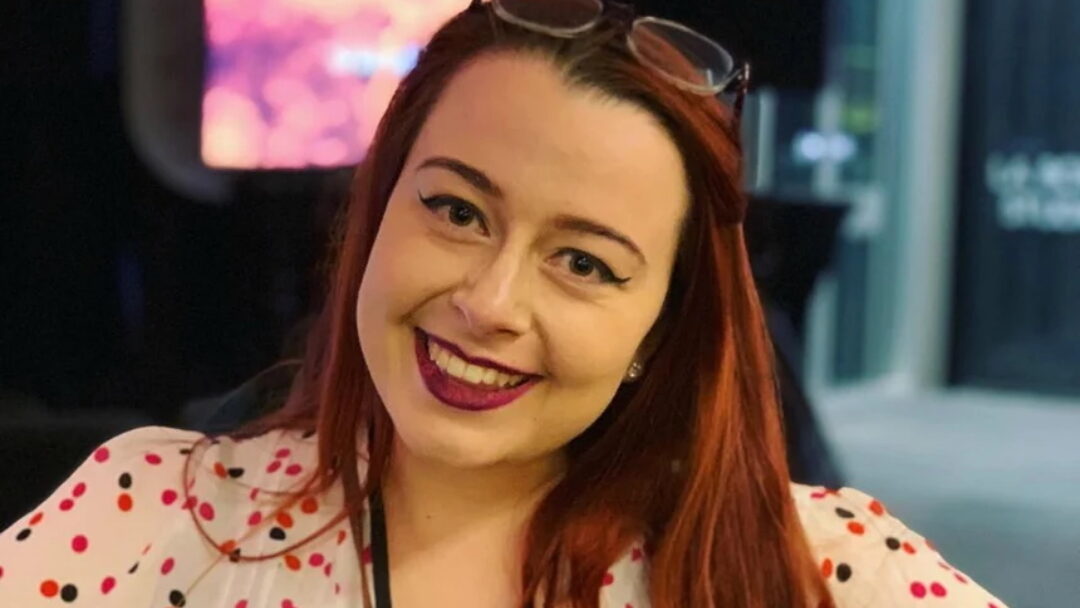
Join presenters Anthea Williams and Liz Cooper for discussions with artists and arts workers from across the creative spectrum for entertaining, enlightening and provocative discussions about art, culture and disability.
Undercover Artists Festival and Madeleine Little
Sideshow by 2RPH
Undercover Artists Festival and Madeleine Little
•28 mins
Audio
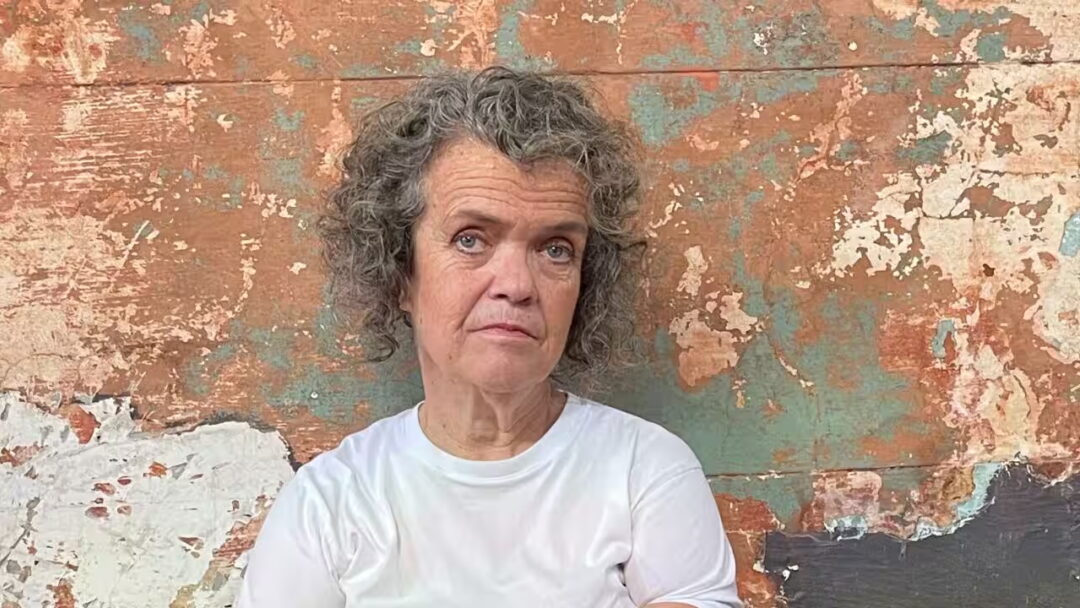
Join presenters Anthea Williams and Liz Cooper for discussions with artists and arts workers from across the creative spectrum for entertaining, enlightening and provocative discussions about art, culture and disability.
Debra Keenahan
Sideshow by 2RPH
Debra Keenahan
•27 mins
Audio
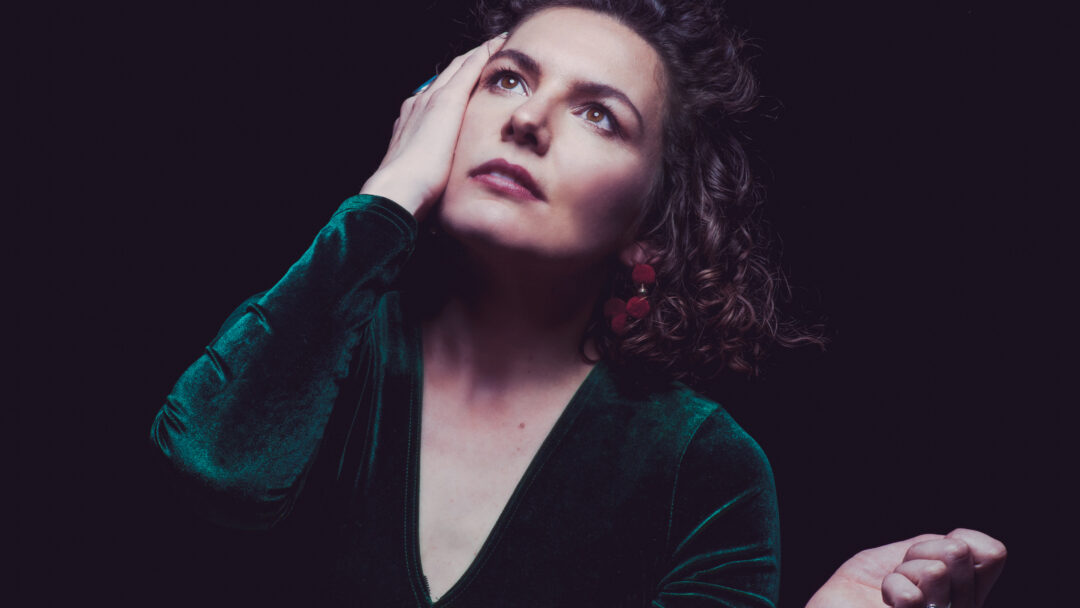
Join presenters Anthea Williams and Liz Cooper for discussions with artists and arts workers from across the creative spectrum for entertaining, enlightening and provocative discussions about art, culture and disability.
Eliza Hull
Sideshow by 2RPH
Eliza Hull
•29 mins
Audio
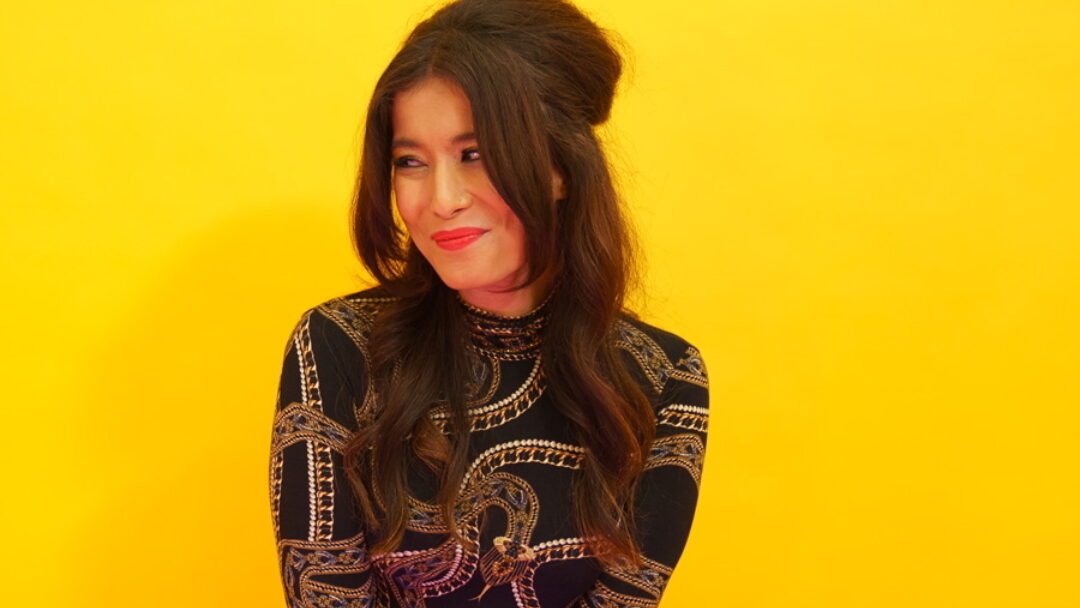
Join presenters Anthea Williams and Liz Cooper for discussions with artists and arts workers from across the creative spectrum for entertaining, enlightening and provocative discussions about art, culture and disabilit
Elly May Barnes
Sideshow by 2RPH
Elly May Barnes
•26 mins
Audio
Join presenters Anthea Williams and Liz Cooper for discussions with artists and arts workers from across the creative spectrum for entertaining, enlightening and provocative discussions about art, culture and disability.
Polly Atkin
Sideshow by 2RPH
Polly Atkin
•36 mins
Audio
Join presenters Anthea Williams and Liz Cooper for discussions with artists and arts workers from across the creative spectrum for entertaining, enlightening and provocative discussions about art, culture and disability.
The Strangeways Ensemble
Sideshow by 2RPH
The Strangeways Ensemble
•27 mins
Audio