Audio
What is it like going on a book tour as a disabled author?
1 season
Episode 6
28 mins
In this episode we talk to authors Carly Findlay and Gayle Kennedy.
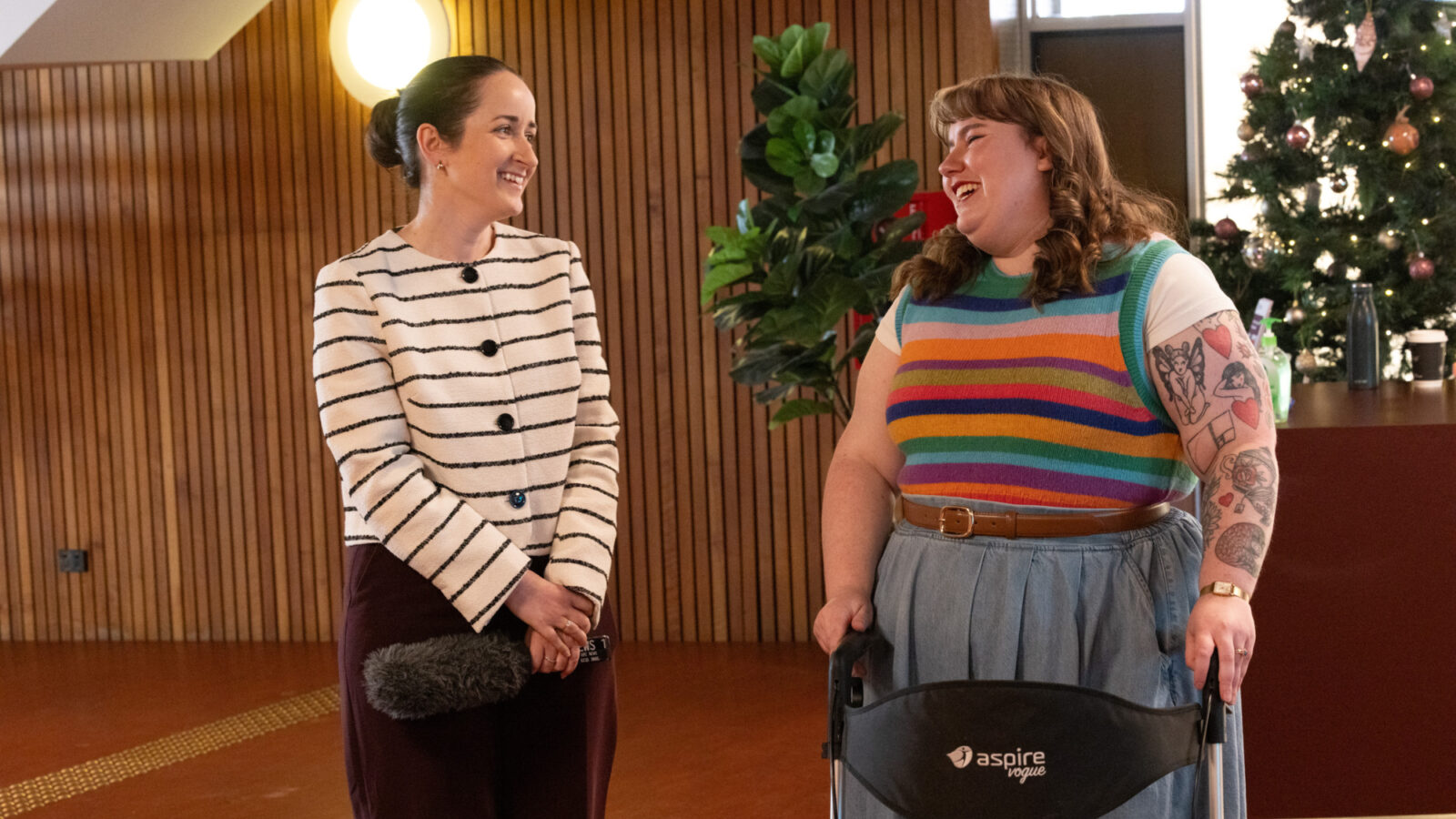
Crip Culture is hosted by Rosie Putland and Fiona Murphy, our producer is Honor Marino. In this episode we talk to authors Carly Findlay and Gayle Kennedy. Carly tells us about the process of making a book tour accessible. Gayle shares her experiences of being denied access and inclusion.
This podcast is proudly supported by Arts Tasmania and Print Radio Tasmania. Follow us on Instagram @CripCulturePodcast
This episode’s guests
Carly Findlay OAM is an award-winning writer, speaker and appearance activist. Her first book, a memoir called Say Hello, was released in Australia in January 2019. She also edited Growing Up Disabled in Australia with Black Inc Books, released in February 2021. She received an Order of Australia Medal for her work in disability advocacy and writing in 2020. Carly works part time as Melbourne Fringe’s Access and Disability Lead. She writes on disability and appearance diversity issues for news outlets including the CNN, ABC, The Age and Sydney Morning Herald, and SBS. She was a finalist in Marie Claire’s Women of the Year Awards in 2023, and named as one of Australia’s most influential women in the 2014 Australian Financial Review and Westpac 100 Women of Influence Awards. She has appeared on You Can’t Ask That, The Project and The Cook Up, and has been a regular on various ABC radio programs. She has spoken at the Sydney Opera House, Melbourne Writers Festival, the University of Western England and Melbourne University to name a few. She organised the history-making Access to Fashion, a Melbourne Fashion Week event featuring disabled models. Carly has a Masters of Communication and Bachelor of eCommerce. Carly identifies as a proud disabled woman – she has Ichthyosis and has survived Ovarian and Endometrial Cancer. Her hobbies include travel, cooking, fashion and reading. She lives in Melbourne, Australia.
- Carly Findlay, Author Website
- Follow Carly on Instagram
- Growing Up Disabled in Australia, edited by Carly Findlay
- Say Hello by Carly Findlay
Gayle Kennedy is a member of the Wongaiibon Clan of NSW and was the Indigenous Issues editor and writer for Streetwise Comics from 1995-1998. In 2005 her poetry manuscript ‘Koori Girl Goes Shoppin” was shortlisted for the David Unaipon Award, and in 2006 she won the David Unaipon Award for Me, Antman & Fleabag, which was shortlisted for a Victorian Premier’s Literary Award, a Deadly Award and was commended in the Kate Challis RAKA Award. Gayle has published eleven children’s books as part of the Yarning Strong (OUP) series, and six of these were nominated for the 2011 Deadly Award for Achievement in Literature.
Credits
Hosted by Fiona Murphy and Rosie Putland.
Produced and mixed by Honor Marino.
Cover art by Judy Kuo.
Music: Moments Like These — Simon Folwar (Uppbeat), License: BEB32FWJ6WULT877 & My Tiny Love — Soundroll (Uppbeat), License: VPFSMMM3K2C71ONF
Opening theme: [opening music with syncopated beat, sounds of a typing keyboard and layered voices]
Synthetic voice: Culture, Crip Culture.
Fiona Murphy: Well, welcome to the Crip Culture podcast.
Rosie Putland: I just love this idea of disability culture and crip culture
[music fades]
Gayle Kennedy: Well, you can’t get on the stage for a start, so you’re down there with the audience. It’s just the sheer lack of respect. So don’t invite us if you can’t provide access.
Carly Findlay: I had an event in Brisbane, and the bookshop that they partnered with was wanting to provide me with a venue that wasn’t accessible for wheelchair users, in that there wasn’t an accessible toilet within the venue. And they said, “oh, don’t worry, there’s a toilet down the road”. And I said, “well, that’s not accessible”.
Rosie: Hello and welcome to the Crip Culture podcast. I’m Rosie Putland, a disability influencer and storyteller.
Fiona: And I’m Fiona Murphy, an award-winning writer and the author of The Shape of Sound, a memoir about deafness.
Rosie: This podcast was recorded on stolen, unceded Aboriginal land. First Nations peoples are the world’s oldest storytellers, and their voices continue to guide us.
Fiona: So, you’ve written a book, but the hard work’s not over yet. It’s time to take your baby, your blood, sweat and tears, beautifully bound with an eye-catching front cover and puff quotes on the road.
Rosie: Crip Culture celebrates disability, arts, culture and creativity. Today, on this episode of Crip Culture, how accessible is the promotional tour?
Fiona: I think people have an image of writers sitting at their desks, tapping on a typewriter. But now, to be a successful writer, publicists need you to be an engaging speaker on the stage and to travel the country from regional bookstores to public libraries. Gayle Kennedy, author of Me, Ant Man, and Fleabag, knows this circuit well.
Gayle: Don’t invite somebody in a wheelchair to your event unless you’re going to be fair income about your access. You know, this person is important enough to invite. You know they are important enough for you to make sure that that they have access, and they have the, they have the respect that they deserve. I mean, I’ve been to a couple and it’s just been, you know, I’ve gotten there and I’ve confronted with stairs, you know, or an old, bloody stair lift that doesn’t work and no other way you get stuck. I’ve been stuck on a floor with the stair lift broken and, you know, like I had to spend an hour while people ran around trying to find a way to actually get me out of the building. You know, it, it’s frustrating, it’s, lack of respect. So don’t invite us if you can’t provide access.
Rosie: I spoke to Carly Findlay, appearance activist and author of Say Hello, who can relate.
Carly: I found that I was doing a lot of work for my book launches. I had a number of book launches around the country, and I really did find that it was me that was kind of guiding people on accessible venues and how to book an Auslan interpreter. I think there were a couple of things that was really tricky. You know, obviously big events take a lot of lead time. And my Melbourne event, which is my hometown, actually my other hometown, my other hometown is in Albury, and I had a book a launch there too. But my Melbourne event was held on one of the hottest days of the year it was like 45 degrees. And for me, my body doesn’t regulate its temperature, and so many disabled people as well, they struggle with that. And so before the event, I was lying on the toilet floor in the venue trying to cool down, like I just couldn’t cool down. And so that was really hard. It’s really funny.
[texting sounds and a phone vibrating with a notification.]
Carly: Actually, I was texting my agent from my chair on the stage to get me my cold pack from the freezer, and my mum’s sitting in the front row seeing me texting, and she’s telling me to stop texting at my own event, which is quite funny. I had an event in Brisbane, and the book shop that they partnered with was wanting to provide me with a venue that wasn’t accessible for wheelchair users in that there wasn’t a toilet, accessible toilet within the venue. And I said, “oh, don’t worry, there’s one down there’s a toilet down the road”. And I said, “well, that’s not accessible”. And it was partly outside as well, which isn’t great for me in Brisbane, you know when in summer – early autumn, and so they weren’t going to book a big venue for me, because they didn’t realise, or didn’t trust that I could bring an audience. So that meant, you know, an inaccessible venue. So, I put a call out on my Facebook page, and they found a venue at the library, which was amazing. And we had 250 people there. And the publisher said she’s never seen such a diverse crowd. So if you put an accessible venue, put on event in an accessible venue, make it accessible. We had Auslan interpreters there. People will come. I think the best thing for me was that I saw like, six people with ichthyosis, the skin condition that I have at that event as well, and we’re so rare. So that was really great.
[music rises]
Carly: I think it was challenging, because often, you know, the writer just shows up and talks, and I felt like I had to do a lot of the work that would, you know, should fall to an events planner, because there’s just not much knowledge around accessible venues.
Rosie: Yeah, exactly. And I’ve heard you say it before that, you know, make it accessible, and they will come. And I feel like that’s just sort of the biggest thing that we can say when, when event planners, or whoever it might be, says, oh, well, no one disabled comes to our event. And I hear that so often in the work that I do, and it’s like, well, yeah, of course, no one disabled comes to your event. You’re not advertising it as an accessible event. We don’t want to have to do all of the extra work and planning it takes to potentially come to an accessible event or get there and realise it’s actually inaccessible and that we have to go home. And I know that’s happened to me so many times.
Carly: Exactly. And I also think that you know why the wider literature scene just isn’t doing as much to make their events accessible as disabled authors are, which is really disappointing. It’s us doing the heavy lifting all the time.
Rosie: And I know that some of that that heavy lifting came in when Growing Up Disabled in Australia was published as well. And I’ve heard from a lot of people about your tenacity during that time of making sure that the writers in that book were accommodated and were also put up front, and made sure that they were being championed for the work they were doing. And I think it’s really needless to say that Growing Up Disabled in Australia was a revolutionary collection for so many people, myself included, I have really, really clear memories of listening to you read the audio book in, you know, in my headphones, and yet, so many parts just very tearful, but that tearful joy of finally seeing yourself represented in media and and and something that I’ve heard you say before, and I hold really dear, is that our experiences of discrimination are more similar than our differences in disability, and I hold that so dear to me, and I think that’s part of the power of Growing Up Disabled in Australia and why it was so revolutionary for so many people. I know that you had a wonderful panel at Sydney Writers Festival in 2021 for the anthology. Can you tell me about that panel and what it was like?
Carly: Yeah, it was really fun. I think one of the best things about doing that book was like putting together panels and making sure that other, you know, the other contributors got paid for beyond the book on panels and things and getting together with them. You know, we often live in different cities, and so I put together the panel. It was Fi Murphy, Belinda Downs, Alistair Baldwin and Gayle Kennedy and myself, and we did this event at Sydney Writers Festival. I’d never been to Sydney Writers Festival before, so it was a really great experience to be there. And I remember before the panel, Tim Minchin came into the green room. And I know Tim, I guess my friends, I guess. And you know, he’s way more famous than I’ll ever be, but he came in and he recognised me, and we had a photo together, and then, and that was really fun. And I said to him, you know, don’t, don’t you steal all our audience, you white man, and his show, his event, was on at the same time as ours, and we had a full house.
[sounds of a buzzing crowd]
Carly: And one of the things that I did for the panel was make sure that the audience and the panellists had crip time, and that is, you know, moving at our own pace. We had an event that was an hour, and by the time everyone got seated or standing, however they wanted to position themselves, you know, that sort of 10 minutes cut off the end or the start of the event. So, I made sure that the event wasn’t cut short, because people couldn’t get in on time and our event could run over. So, it was exactly, you know, an hour, rather than being cut short because of access needs. So doing that was really, yeah, it was a really great experience. And, you know, people got paid, which was really important to me, that a lot of the contributors were able to do work beyond the book and be able to get paid because authors don’t make much money, certainly contributors don’t.
[soft piano music]
Rosie: The Disability writing community helps us find disability pride Carly explains.
Carly: Literature helps people find their own identity and community, and it’s it’s not really just an escape anymore to read. It’s a connection to community and a connection to culture, and that’s really important. We couldn’t have the events that we should have had because of covid lockdowns. But I think in terms of culture, like for me, when I talk about disability pride, I talk about disability identity, or disability community, disability culture and disability pride being really important. And you know that there’s an there’s there’s disability, as in the system, like the phrase, I’m on disability like, I’m on disability benefits, but people who say that don’t necessarily feel a part of the community, and I think feeling a part of the disability community is so wonderful and so so important for the path to pride. So, you know, experiencing that is really important, and so these kind of events that allow us to connect and feel something. And like you were saying, you know, resonate with literature are really, really important.
Rosie: It’s really interesting to hear you say that about growing up disabled, because I guess my perspective from an outsider is that it absolutely cracked open my world and and so many of surrounding me’s world as well. Like it was just something that was, you know, we didn’t stop talking about it for years afterwards. So I think despite the fact that, you know, and maybe it was even more important, I
Fiona: As disabled writers, our ideas are complex and nuanced, but Gayle says she’s often put into a box.
Gayle: Your audience is a niche audience. They’re looking to read about disability. They’re looking, you know, on indigenous they’re looking to read indigenous work. And my book Me, Ant Man, and Fleabag is flat out comedy, but it’s, it’s, you know, hidden in in the indigenous section when it should be, you know, in the Australian section, the comedy section. And, I mean, it’s still selling now, all these years later. But a lot of that, I think, has got to do with my my push myself, you know, using social media to let people know that it’s not just, I mean, I, you know, obviously, I’m proud to be, you know, a Ngiyaampa woman, you know, I’m proud of that, but, you know, that doesn’t inform my writing. It’s the same as having a disability. You know, I don’t, I don’t, I mean, being indigenous and having a disability may creep into some of the things I write and or it may be just a straight out disability or indigenous, but first and foremost, I’m a writer, and I and I need the freedom that other writers do to write whatever I like. But there are, there are people who don’t quite know what they’re getting into, and they and I think for a lot of people, it’s, I would all get two for one. You know, we’ve got an indigenous woman and we’ve got a disabled woman, will get two for one, and they don’t count on what they actually going to get. And it does get annoying when people assume that you know everything about all things indigenous and or all things disabled, when everybody has it has different experiences. Every community has different experiences.
Fiona: Gayle says there’s still a hesitation to letting disabled people express themselves wholly and completely.
Gayle: You get manifestos sent through to you, you know, like what you can and can’t write about what word you can and can’t use, and it’s infuriating, and it’s and it’s infantilising. We’re all adults. We should be able to have people use these words in books. Okay, you might be offended, but they’re said on an everyday basis. And to pretend otherwise, you know, to me, defeats the purpose. People need to know what we go through. They need to know the insults that we cop on a daily basis. Be upfront, be open. Know your enemy. So I, you know, I don’t like being sent manifestos on what I can or can’t say. I think writers need to have freedom and and I don’t like the redacting of books of history. You know, taking huge chunks out of books that were written 100 years ago. How are we supposed to know how far we’ve come if we don’t, if we don’t see the the genesis of these things. This is how people thought back then. This is how far we’ve come. But have we really come that far? You know, it’s couched in in words that may appear to be loving, nice and accepting, but anybody with any empathy or, you know, sensitivity knows that you’re being that you’re basically what’s the word, you’re being patronised. I think sometimes people listen or invite people with disabilities because it’s worthy, because they think it’s a worthy thing to do. We’ve got to give them a go, you know. And and they seem to, they almost seem to get the shits when you come out as mouthy and strong and, you know, when you’re not there being humble and kind and nice and being quiet like all good disabled people are supposed to. Again, it’s a matter of, why am I here? What are your reasons for wanting me to be here? And I always tell people when they book me, if you want me, you have to know that I’m a loose cannon, and I will not be, you know, reined in, and they go well, and everyone who books me goes, that’s why we want you. We heard you. We know what we’re getting into.
Fiona: Carly also thinks that there are expectations placed on disabled writers, including from other people within the disability community.
Carly: A few years ago, there were a couple of disabled writers who really disappointed me and wrote an academic piece saying that, you know, growing up disabled didn’t really count as a piece of disability literature. But I think that one of the things that happens as a for me, as a, you know, as I guess, a leader and a public figure in the disability community, is that people tell me that they don’t think they’re disabled enough, as much as people tell me they don’t think they’re a real writer, and I spend a lot of my time convincing them that they are both,
Rosie: yeah
Carly: and so it’s unfair when people within our own community say that, you know, for many of the people in the book that they weren’t writers, and you know that that’s a fair comment, but we made the book as accessible to contribute to as possible. And you know, I sat down with a woman called Jane Rosengrave, Aunty Jane is an Aboriginal leader, and she grew up in institutions, and writing isn’t feasible for her, so she told her story to me, and I left her language, really as it is. And, you know, as I read it, I can hear all her ums and ahs and love and laughs in there. Jordon Steele-John, you know, he’s a really busy person, so for him, he sent me an interview that he did with someone else, and we edited it down from there. Sarah Firth drew a visual story, and so that, you know that was really important to me, that it wasn’t an inaccessible way of getting past polish. Because, yeah, some people might not be, you know, true writers as a profession, but everyone contributed to the book in the way that they could.
Gayle: We’re all different. Our disabilities are different, but the one thing that binds us all together is a lack of access and a lack of equity.
Rosie: Carly and I both had an insight into what Gail was talking about when we’re both diagnosed with cancer, we saw the stark contrast of the inequities of the medical world. During that time, Carly took a step back from advocacy work.
Carly: Last year I was diagnosed with cancer, and I took a lot of time off, and it was really peaceful. It was so great because I didn’t have to wade into things, or, you know, get bogged down with, you know, smaller things. And I think, I think, really, I’ve had, I don’t know, like that break has been really good.
Rosie: I got diagnosed with cancer around the same time that you did, actually, last year, yeah, yeah, a different type of cancer. But, um, in my cancer experience, separate to my, I guess, disabled experience as well, I felt like there was so much, so many changes in, like, the creative outputs I had. And I wondered, did you experience any changes in it? Did it change the way you thought about disability?
Carly: One of the things that I kind of joked about was I finally got the ‘good’ inverted commas disease because or illness because. I got all this support
Rosie: I wrote about exactly this as well.
Carly: I got this. I got this support that I never got before, and everything was organised, and the hospital visits were on time, and that was amazing, and the food was better at that hospital, and all of that. And but also, Centrelink is an absolute shit fire, bin fire, like I hated it. It was just the worst experience. And you know, if I write a book, I think that’s going to be called ‘The Worst Part of Cancer is Centrelink’, because it was so, so hard,
Rosie: I endorse that.
Carly: yeah, so hard to access anything from them. And, you know, I Yeah, but I did, I did find that creative outlet was different. And also, you know, one of my creative outlets is fashion, and I felt like my most fashionable era was my cancer era, like I was dressing up a lot, and I really liked being bald, and I really, yeah, I really like the fashion. Are you doing okay?
Rosie: Now, yes, I am doing good. Now I’m still, you know, we’re still monitoring and things, but, yeah, no, I’m doing good. But yeah, I had really big emotional whiplash from the experience of being treated well by the medical industrial complex, when my entire life, I’ve been treated very, very poorly, and just the emotional whiplash around why can doctors believe the cells in my body, but they can’t believe me. Yeah, there’s something about that that is very creatively inspiring, despite how horrible it is.
Carly: Yeah, I felt like when, when I was told I was cancer free, I didn’t have a final test. And yeah, like you associate like, you know, being cancer free, or levels, or whatever, with a test, and it’s like, but how do you know? Are you sure I felt like the biggest imposter? Like, you know, I’ve had imposter syndrome as a writer and and then I finally had a blood test a few months later, and, you know, it definitely showed that. But yeah, there was that. For me, I’ve not had such a bad experience in the medical world. But I guess in terms of, you know, being at a public hospital where things always run over time, or when I’m when I’m going to emergency, and I’m not believed that my skin is really sore, but yet, you know, again, that thing that you said, Why could they believe the cells in your body, but not me? I definitely found that different. And everything happened in such a state of urgency, yeah? Like, you have to stop work, you have to get treated.
Rosie: And suddenly, suddenly, a doctor’s just calling you on a Saturday, and you’re like, what’s going on? I thought this was, like, you weren’t allowed to do this-
Carly: Yeah, right, yeah. And then, and, like, I literally had a cancer card. I still got it. And I got this cancer card so I can, like, pull it out. I went to this wedding, and we didn’t get fed until until 10 o’clock at night, and I was still going through treatment then, and I literally used the cancer card, and I said, I’m really hungry. I have cancer. Can I please get fed a bit earlier I was gonna, I was gonna Uber Eats something to the car park I was that hungry.
Both: [laughing]
Rosie: I feel like this should just be standard for disabled people everywhere. It’s okay to Uber Eats something to the car park if you need.
Carly: Right?! Right?!
Both: [laughing]
[sounds of a car driving, tooting it’s horn and slamming the door]
[music rises]
Fiona: Being able to share our stories about the hardest and most joyful parts of our lives is essential.
Gayle: I think that I’m a born writer. I’m a born storyteller, and I’ve come to that conclusion. I didn’t initially think I was but it’s like breathing to me being able to write.
Fiona: Gayle believes that humans need to tell stories to connect, that the act of storytelling requires you to think deeply about your idea, to approach it from different angles, to articulate it so others understand, reading disabled stories builds empathy and connection from inside the disabled community and outside of it.
Gayle: People will always need to tell a story, and people will always need to hear a story. There’s never going to be a time I don’t think where, it’s a human condition, isn’t it? I mean, even if your story is only interest interesting to your grandma, it’s still interesting to somebody. I mean, what would, where would the world be with that stories? I mean, everything. I mean, you know, we’re telling stories when we make a podcast. We’re telling stories when we make a movie. I don’t see a future without storytelling. I really don’t. I mean, what kind of life would that be? I mean, for time immemorial, people have needed to tell their stories. You only have to look at the cave paintings from thousands and thousands of years ago. You know that people are telling their story hieroglyphics. You know, every, every civilization, every people, have left evidence of their existence through some form of storytelling.
Rosie: It’s not always easy to share your opinions or to role model changes in attitude. I asked Carly, what keeps her going when she faces backlash for speaking up?
Carly: Yeah, I think in, you know, in my book launches, seeing so many disabled people out in the audience and turning out and cheering me on, I think that’s a really great thing. But also, like hearing from disabled people to to say, you know, it’s because of your writing, because of my writing, they’ve become more confident in themselves, or more, able to speak up about access. And I think that that gives me real, real pride and joy and excitement. And, you know, seeing others succeed, because I’ve, you know, given them the impetus to start something has been really great.
Rosie: Right now, there’s a young disabled person looking for life to be reflected in books and media,
Fiona: and that’s why we have to keep pushing for accessibility on our stages and in our publishing industry.
Rosie: This is Crip Culture, a podcast about disabled creativity, craft and community. If you enjoyed this episode, please share it with a friend.
Fiona: Thank you to this episode’s guests, Carly Findlay and Gayle Kennedy. You can find links to Carly and Gayle’s work in the show notes.
Rosie: Crip Culture is hosted by Rosie Putland and Fiona Murphy. Our producer and editor is Honor Marino.
Fiona: This series was made possible with funding from Arts Tasmania and Print Radio Tasmania.
Rosie: And if you want to keep creating culture with us, follow us on socials @CripCulturePodcast and subscribe wherever you get your podcasts.
Continue listening
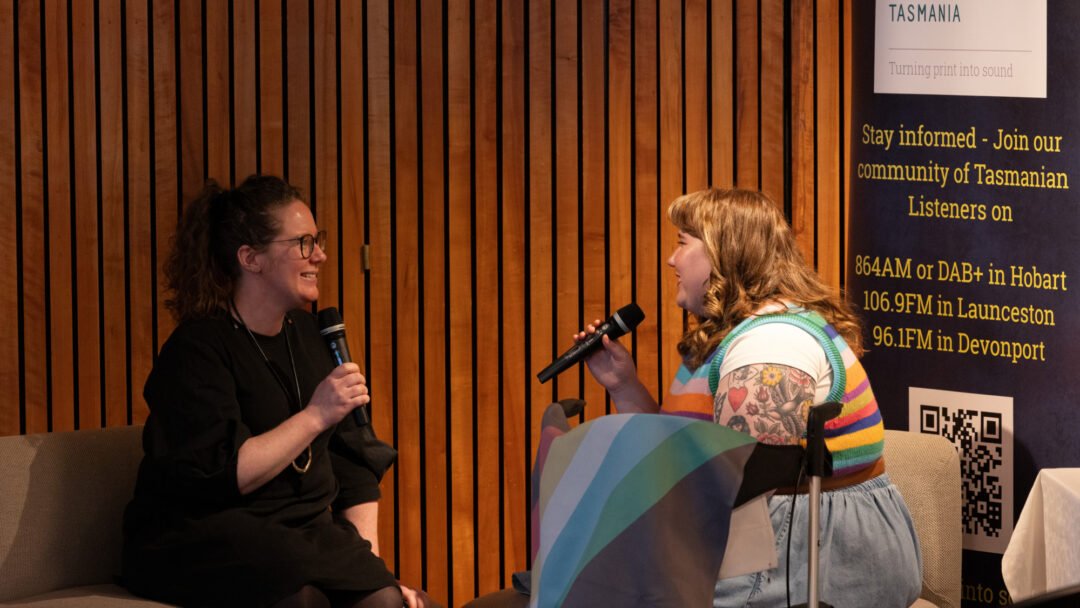
Our guests are Laura Pettenuzzo and Dr Scott Avery.
Where are all the disabled authors?
Crip Culture Podcast by Fiona Murphy, Rosie Putland
Episode 1
•21 mins
Audio
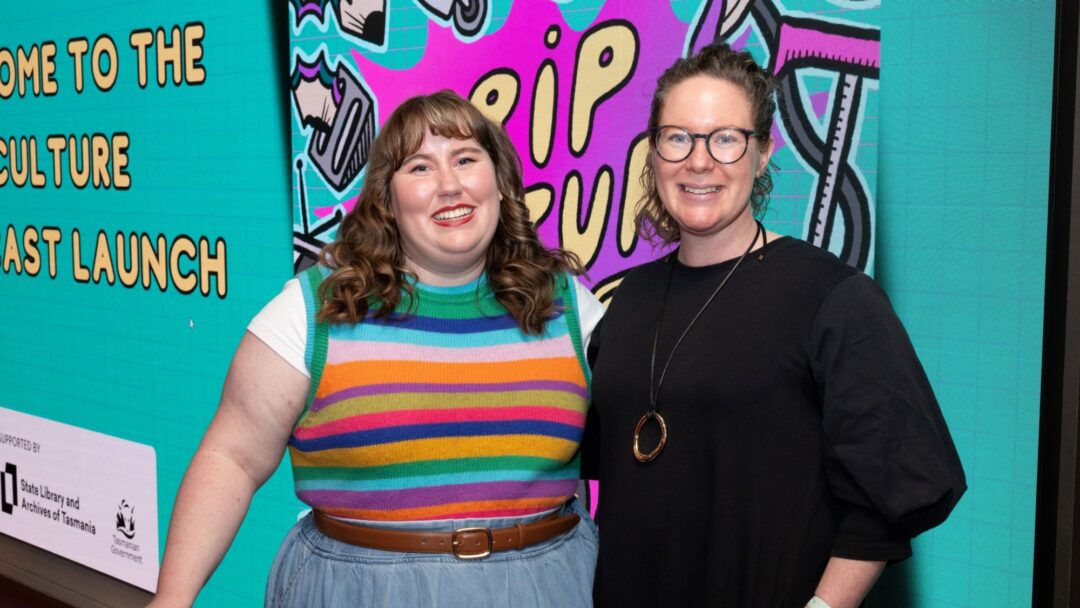
In this episode we talk to author Micheline Lee and poet Andy Jackson.
Is it risky being an openly disabled author?
Crip Culture by Fiona Murphy, Rosie Putland
Episode 2
•19 mins
Audio
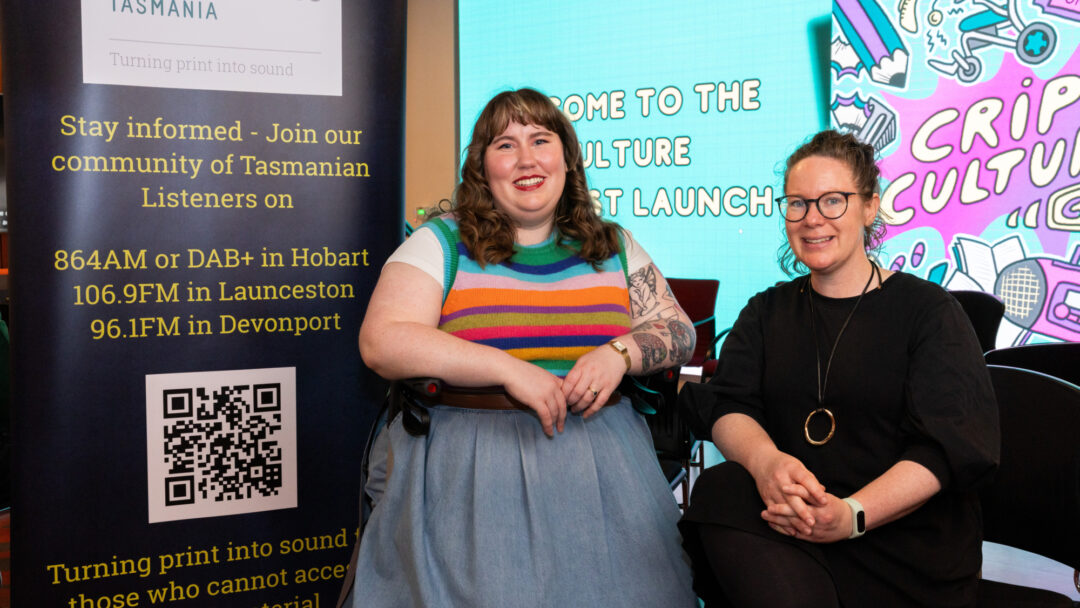
In this episode we talk to author Kylie Maslen and poet Esther Ottaway.
What does accessibility actually look like in the publishing industry?
Crip Culture by Fiona Murphy, Rosie Putland
Episode 3
•31 mins
Audio
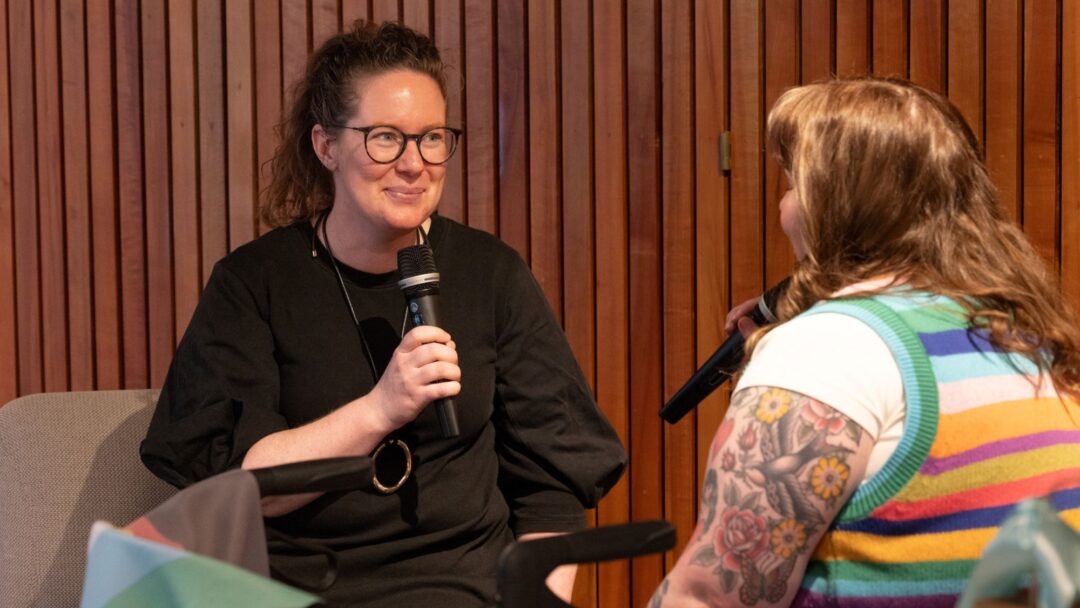
In this episode we talk to Kay Kerr and Beau Windon.
What does a sensitivity reader actually do?
Crip Culure by Fiona Murphy, Rosie Putland
Episode 4
•32 mins
Audio
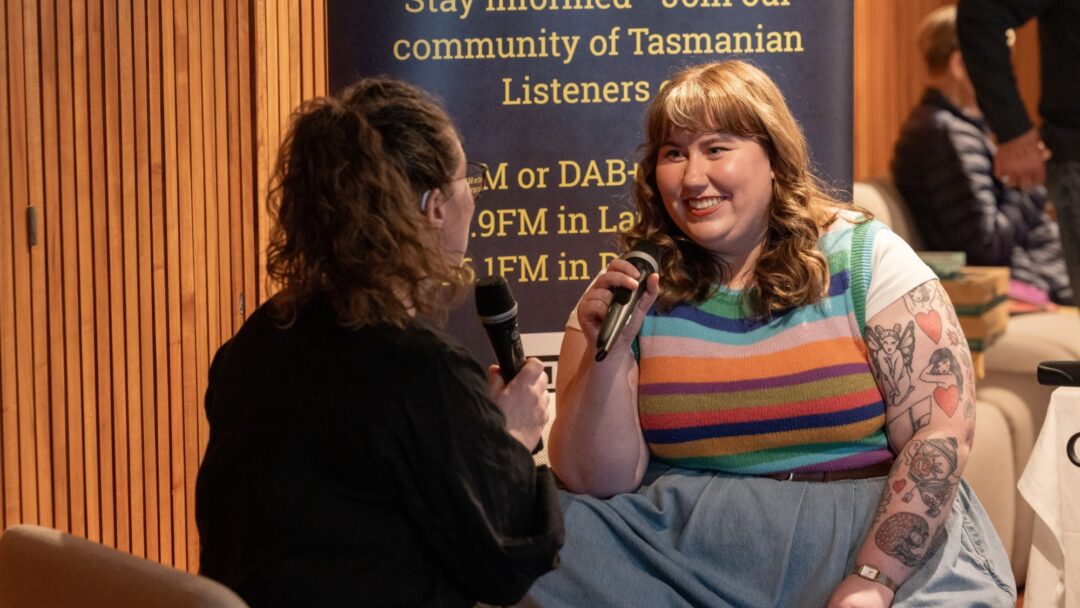
In this episode we talk to journalist Matilda Boseley and author Olivia Muscat.
Is it getting easier to build and sustain a writing career if you’re disabled?
Crip Culture by Fiona Murphy, Rosie Putland
Episode 5
•29 mins
Audio

In this episode we talk to authors Carly Findlay and Gayle Kennedy.
What is it like going on a book tour as a disabled author?
Crip Culture by Fiona Murphy, Rosie Putland
Episode 6
•28 mins
Audio

In this episode we talk to crime writer Ashley Kalagian Blunt.
Do disabled people have to write about disability?
Crip Culture by Fiona Murphy, Rosie Putland
Episode 7
•15 mins
Audio